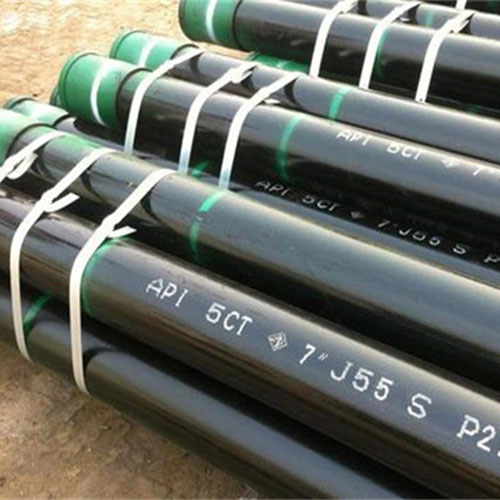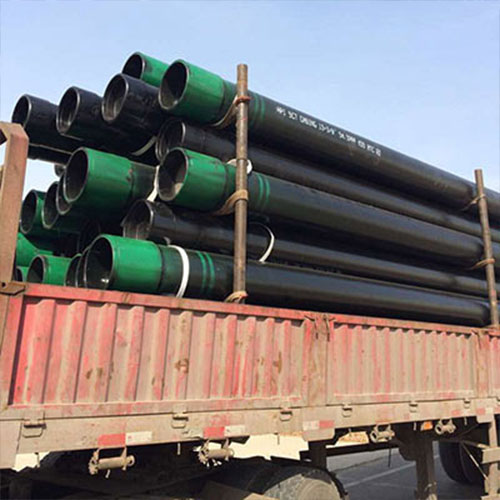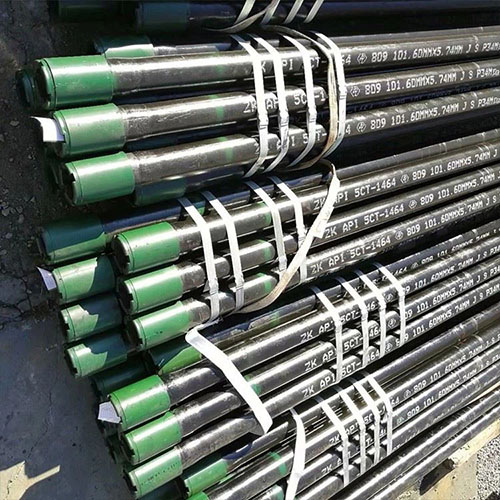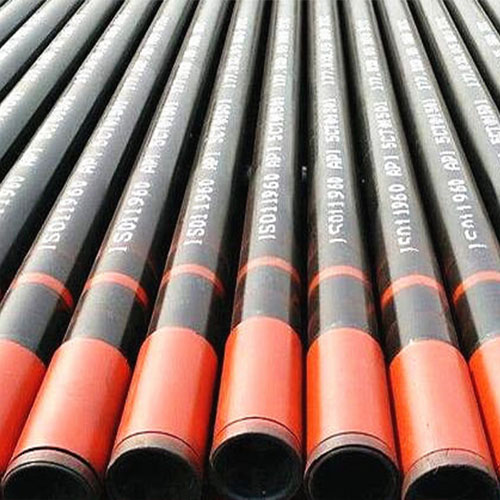
anti-corrosion coatings for Oil casing Selection
The selection of anti-corrosion coatings for oil casing is a critical aspect of ensuring the longevity and reliability of Oil and gas infrastructure. Corrosion poses a significant threat to the integrity of oil casing, which is essential for maintaining wellbore stability and preventing the contamination of groundwater. Therefore, understanding the various types of coatings available and their respective properties is paramount for effective selection.
When considering anti-corrosion coatings, it is essential to evaluate the environmental conditions to which the oil casing will be exposed. Factors such as temperature, humidity, and the presence of corrosive substances, including salts and acids, can significantly influence the performance of a coating. For instance, in offshore environments where saltwater exposure is prevalent, coatings that offer superior resistance to saline corrosion are necessary. Similarly, in areas with high levels of hydrogen sulfide, coatings must be selected for their ability to withstand sour service conditions.
In addition to environmental factors, the mechanical properties of the coatings must also be taken into account. The coating should not only provide a barrier against corrosion but also possess adequate adhesion to the substrate, flexibility to accommodate thermal expansion, and resistance to mechanical wear. These properties ensure that the coating remains intact and effective over the lifespan of the casing. Furthermore, the application method of the coating can influence its performance. Techniques such as spray, brush, or dip coating can yield different results in terms of thickness and uniformity, which are critical for optimal protection.
Moreover, the selection process should involve a thorough assessment of the coating’s chemical resistance. Different coatings are formulated with various resins and additives, which can affect their performance in specific chemical environments. For example, epoxy-based coatings are known for their excellent adhesion and chemical resistance, making them suitable for many oilfield applications. On the other hand, polyurethane coatings offer flexibility and UV resistance, which can be advantageous in certain scenarios. Therefore, understanding the chemical interactions between the coating and the environment is crucial for making an informed decision.
Another important consideration is the regulatory and industry standards that govern the use of coatings in oil and gas applications. Compliance with these standards not only ensures safety and environmental protection but also enhances the credibility of the operation. It is advisable to consult relevant guidelines and specifications, such as those provided by the American petroleum Institute ( API) or the National Association of Corrosion Engineers (NACE), to ensure that the selected coating meets all necessary requirements.
In conclusion, the selection of anti-corrosion coatings for oil casing is a multifaceted process that requires careful consideration of various factors, including environmental conditions, mechanical properties, chemical resistance, and regulatory compliance. By thoroughly evaluating these aspects, operators can choose the most suitable coating to protect their oil casing from corrosion, thereby enhancing the overall integrity and longevity of their oil and gas infrastructure. Ultimately, a well-informed selection process not only mitigates the risks associated with corrosion but also contributes to the sustainability and efficiency of oil extraction operations.
Factors Influencing Anti-Corrosion Naming in Oil Casing
The selection and naming of anti-corrosion measures for oil casing is a critical aspect of ensuring the longevity and reliability of oil extraction operations. Various factors influence this process, and understanding these elements is essential for making informed decisions. One of the primary considerations is the environmental conditions in which the oil casing will be installed. Different geographical locations present unique challenges, such as varying levels of humidity, temperature fluctuations, and the presence of corrosive substances in the soil or water. For instance, coastal areas may expose oil casing to saltwater, which significantly accelerates corrosion. Therefore, the naming of anti-corrosion treatments must reflect the specific environmental challenges anticipated in the field.
In addition to environmental factors, the chemical composition of the fluids being transported through the casing plays a crucial role in determining the appropriate anti-corrosion measures. Oil and gas can contain various corrosive agents, including hydrogen sulfide and carbon dioxide, which can lead to significant degradation of the casing material over time. Consequently, the selection of anti-corrosion coatings or treatments must take into account the specific chemical properties of the fluids involved. This ensures that the chosen solution provides adequate protection against the anticipated corrosive effects, thereby extending the service life of the casing.
oil tube best Chinese CompanyMoreover, the mechanical properties of the casing material itself are vital in the anti-corrosion naming process. Different materials exhibit varying levels of resistance to corrosion, and this must be factored into the selection process. For example, steel casings may require different anti-corrosion treatments compared to composite materials. The mechanical strength, ductility, and overall durability of the casing material will influence the effectiveness of the anti-corrosion measures applied. Therefore, a thorough understanding of the material properties is essential for making appropriate selections.
Another significant factor is the economic implications of anti-corrosion measures. The cost of materials, application processes, and Maintenance must be carefully evaluated to ensure that the selected anti-corrosion solutions are not only effective but also economically viable. In many cases, the initial investment in high-quality anti-corrosion treatments can lead to substantial savings in the long run by reducing the frequency of Repairs and replacements. Thus, a cost-benefit analysis is an integral part of the decision-making process, guiding the naming and selection of anti-corrosion strategies.
Furthermore, regulatory and industry standards also play a pivotal role in shaping the anti-corrosion naming process. Compliance with local, national, and international regulations is essential to ensure that the selected measures meet safety and environmental protection requirements. These standards often dictate specific anti-corrosion treatments or materials that must be used, thereby influencing the naming conventions adopted by industry professionals. Adhering to these regulations not only ensures legal compliance but also enhances the overall safety and reliability of oil extraction operations.
In conclusion, the factors influencing the anti-corrosion naming and selection of oil casing are multifaceted and interconnected. Environmental conditions, chemical properties of the transported fluids, mechanical characteristics of the casing material, economic considerations, and regulatory standards all contribute to the decision-making process. By carefully evaluating these elements, industry professionals can make informed choices that enhance the durability and effectiveness of anti-corrosion measures, ultimately leading to safer and more efficient oil extraction operations.
Best Practices for Identifying Anti-Corrosion Solutions in Oil Casing
In the oil and gas industry, the integrity of oil casing is paramount, as it serves as a barrier to protect the wellbore from external contaminants and to prevent the escape of hydrocarbons. One of the most significant challenges faced in this sector is corrosion, which can compromise the structural integrity of the casing and lead to costly repairs, environmental hazards, and operational downtime. Therefore, identifying effective anti-corrosion solutions is essential for ensuring the longevity and reliability of oil casing. To achieve this, several best practices can be employed, guiding operators in selecting the most suitable anti-corrosion measures.
First and foremost, it is crucial to conduct a thorough assessment of the environmental conditions surrounding the oil casing. This includes evaluating factors such as temperature, pressure, and the chemical composition of the fluids present in the well. Understanding these parameters allows for a more informed selection of anti-corrosion materials and coatings. For instance, in environments with high salinity or acidic conditions, specialized coatings that can withstand such aggressive environments should be prioritized. By tailoring the anti-corrosion strategy to the specific conditions of the well, operators can significantly enhance the effectiveness of the chosen solutions.
In addition to environmental assessments, it is also important to consider the material properties of the casing itself. Different materials exhibit varying levels of resistance to corrosion, and selecting the right material can make a substantial difference in the overall performance of the casing. For example, stainless steel and certain alloys are known for their superior Corrosion resistance compared to conventional Carbon steel. Therefore, when selecting casing materials, operators should weigh the cost implications against the long-term benefits of enhanced corrosion resistance. This approach not only extends the lifespan of the casing but also reduces the frequency of maintenance and replacement.

Furthermore, the application of protective coatings is a widely recognized method for mitigating corrosion. These coatings act as a barrier between the casing and corrosive elements, thereby preventing direct contact. When selecting coatings, it is essential to consider factors such as adhesion, flexibility, and resistance to abrasion and chemicals. Additionally, the application process must be meticulously executed to ensure uniform coverage and adherence to the casing surface. Regular inspections and maintenance of these coatings are also vital, as any damage or wear can compromise their protective capabilities.
https://youtube.com/watch?v=rdX9NEKCzTgAnother critical aspect of identifying anti-corrosion solutions is the implementation of cathodic protection systems. This technique involves the use of sacrificial anodes or impressed current systems to protect the casing from corrosion by redirecting the electrochemical reactions that cause it. By understanding the specific requirements of the well and the surrounding environment, operators can design an effective cathodic protection system that minimizes corrosion rates and prolongs the life of the casing.
Moreover, continuous monitoring and assessment of the casing’s condition are essential for identifying potential corrosion issues before they escalate. Utilizing advanced technologies such as corrosion sensors and inspection tools can provide real-time data on the integrity of the casing. This proactive approach enables operators to make informed decisions regarding maintenance and repairs, ultimately enhancing the overall safety and efficiency of oil operations.
In conclusion, identifying and selecting effective anti-corrosion solutions for oil casing requires a comprehensive understanding of environmental conditions, material properties, protective coatings, cathodic protection systems, and ongoing monitoring. By adhering to these best practices, operators can significantly reduce the risks associated with corrosion, ensuring the reliability and longevity of oil casing in the demanding environments of the oil and gas industry.