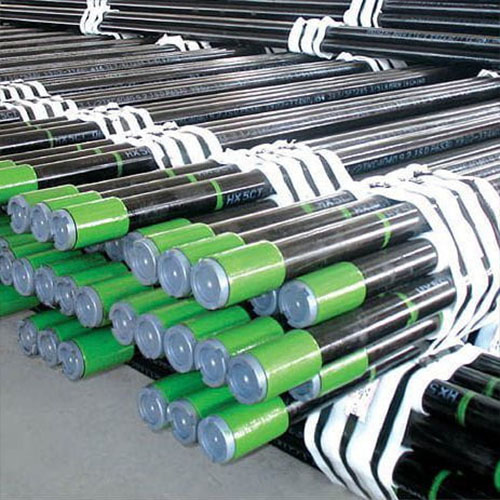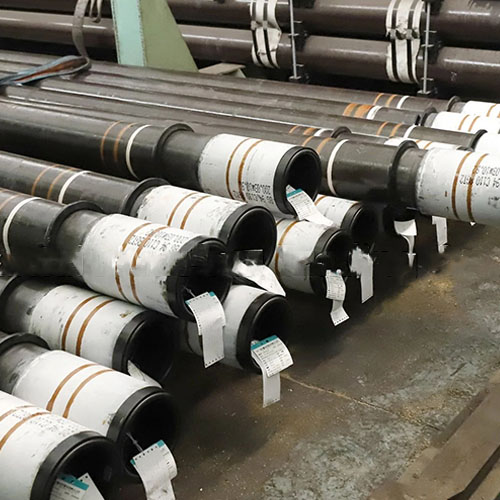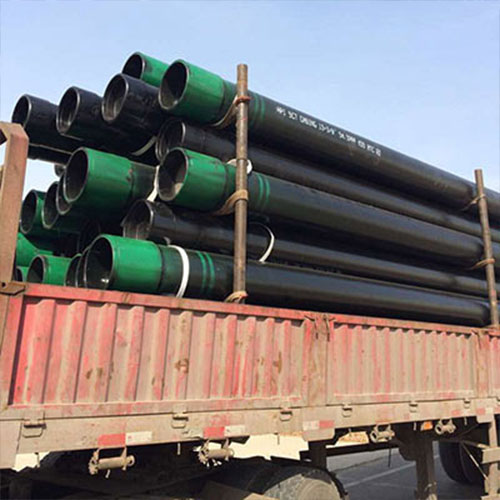
قوة ومتانة مواد تغليف الزيت
تلعب مواد تغليف النفط دوراً حاسماً في قوة ومتانة آبار النفط. عند اختيار السمات المثالية لمواد تغليف النفط، يجب مراعاة عدة عوامل لضمان سلامة البئر وطول عمره.
أحد الاعتبارات الأساسية هو قوة المادة. تحتاج مواد تغليف الزيت إلى تحمل الضغوط والأحمال العالية دون أن تتشوه أو تتعطل. يعتبر الفولاذ مادة شائعة الاستخدام في أغلفة النفط نظرًا لقوته العالية وقدرته على مقاومة التشوه في ظل الظروف القاسية. بالإضافة إلى ذلك، يجب أن تتمتع المادة بقوة شد جيدة لمنع الكسور أو الأعطال أثناء التركيب والتشغيل.
المتانة هي سمة أساسية أخرى لمواد تغليف الزيت. يمكن للبيئة القاسية داخل آبار النفط، بما في ذلك التعرض للسوائل المسببة للتآكل ودرجات الحرارة المرتفعة، أن تسرع من تدهور المواد. لذلك، يعد اختيار المواد ذات المقاومة العالية للتآكل أمرًا بالغ الأهمية لضمان طول عمر الغلاف. غالبًا ما تُفضل السبائك المقاومة للتآكل لقدرتها على تحمل البيئات المسببة للتآكل والحفاظ على سلامتها الهيكلية بمرور الوقت.
بالإضافة إلى القوة والمتانة، يعد الاستقرار الحراري لمواد تغليف النفط أمرًا حيويًا لتحمل درجات الحرارة المرتفعة التي تواجهها آبار النفط. يفضل استخدام المواد التي يمكنها الحفاظ على خواصها الميكانيكية عند درجات حرارة مرتفعة لمنع حدوث أعطال هيكلية بسبب التدهور الحراري. يعد الاستقرار الحراري مهمًا بشكل خاص في الآبار العميقة حيث يمكن أن تتجاوز درجات الحرارة مئات الدرجات المئوية.
علاوة على ذلك، يجب أن يأخذ اختيار مواد غلاف النفط في الاعتبار مدى توافقها مع السوائل والغازات الموجودة في قاع البئر. قد تتفاعل بعض المواد مع السوائل الموجودة في البئر، مما يؤدي إلى التآكل أو أشكال أخرى من التحلل. يعد التوافق مع سوائل قاع البئر أمرًا ضروريًا لمنع فشل المواد وضمان السلامة العامة للبئر.
هناك سمة مهمة أخرى يجب مراعاتها وهي قابلية تصنيع المادة. يجب أن تكون مواد تغليف الزيت سهلة التصنيع بالأشكال والأحجام المطلوبة دون المساس بخصائصها الميكانيكية. يُفضل استخدام المواد المتوفرة بسهولة والفعالة من حيث التكلفة في تطبيقات أغلفة الزيت.
https://youtube.com/watch?v=y2Ua7ieGD5A
مقاومة التآكل في مواد تغليف الزيت
مصدري الأنابيب الفرعية
فعالية التكلفة وتوافر مواد تغليف الزيت

تلعب مواد تغليف النفط دورًا حاسمًا في صناعة النفط والغاز، حيث تعد المتانة وفعالية التكلفة والتوافر من الاعتبارات الرئيسية. عند اختيار السمات المثالية لمواد تغليف الزيت، من الضروري تقييم فعاليتها من حيث التكلفة ومدى توفرها في السوق. يمكن أن يؤثر اختيار مادة التغليف بشكل كبير على التكلفة الإجمالية لعمليات الحفر والأداء طويل المدى لآبار النفط.
أحد العوامل الأساسية التي يجب مراعاتها عند تقييم مواد تغليف النفط هو فعاليتها من حيث التكلفة. يمكن أن تختلف تكلفة المواد بشكل كبير بناءً على عوامل مثل نوع المادة وتوافرها وعملية التصنيع المعنية. يعتبر الفولاذ مادة شائعة الاستخدام في تغليف الزيت نظرًا لقوته ومتانته. ومع ذلك، فإن تكلفة الفولاذ يمكن أن تتقلب بناءً على ظروف السوق والطلب. في المقابل، قد توفر المواد البديلة مثل المواد المركبة أو السبائك وفورات في التكاليف على المدى الطويل على الرغم من احتمال ارتفاع التكاليف الأولية.
يعد التوفر جانبًا مهمًا آخر يجب مراعاته عند اختيار مواد تغليف الزيت. يمكن أن يؤثر توفر المواد على الجداول الزمنية للمشروع وتكاليفه. يمكن للمواد المتوفرة بسهولة في السوق أن تساعد في تبسيط عملية الشراء وتقليل المهل الزمنية. يعتبر الفولاذ، باعتباره مادة مستخدمة على نطاق واسع، متاحًا بشكل عام بسهولة أكبر مقارنة بالسبائك المتخصصة أو المواد المركبة. يعد ضمان الإمداد المستمر بمواد التغليف أمرًا ضروريًا لتجنب التأخير في عمليات الحفر والحفاظ على كفاءة المشروع.
بالإضافة إلى فعالية التكلفة والتوافر، تعد الخواص الميكانيكية لمواد تغليف النفط من الاعتبارات الحيوية. يجب أن تمتلك المادة المختارة القوة اللازمة، ومقاومة التآكل، والثبات الحراري لتحمل الظروف القاسية التي تواجهها آبار النفط والغاز. يتم تفضيل مواد التغليف الفولاذية لقوتها العالية ومقاومتها للتآكل، مما يجعلها مناسبة لبيئات الحفر الصعبة. ومع ذلك، أدى التقدم في علوم المواد إلى تطوير سبائك ومواد مركبة جديدة توفر خصائص أداء محسنة.
علاوة على ذلك، لا ينبغي إغفال التأثير البيئي لمواد تغليف النفط. تكتسب الممارسات المستدامة في صناعة النفط والغاز أهمية كبيرة، مما يدفع الشركات إلى النظر في البصمة البيئية لعملياتها. يمكن أن يتوافق اختيار المواد القابلة لإعادة التدوير أو ذات البصمة الكربونية المنخفضة مع أهداف الاستدامة والمتطلبات التنظيمية. يعد الفولاذ المعاد تدويره والمواد المركبة المصنوعة من مصادر متجددة أمثلة على الخيارات الصديقة للبيئة التي يمكن أن تساهم في تقليل التأثير البيئي للصناعة.
في الختام، يجب أن يعتمد اختيار مواد تغليف النفط على تقييم شامل لفعاليتها من حيث التكلفة، وتوافرها الخواص الميكانيكية والأثر البيئي. يظل الفولاذ خيارًا شائعًا لمواد التغليف نظرًا لقوته ومتانته، لكن المواد البديلة توفر مزايا فريدة من حيث توفير التكاليف والاستدامة. ومن خلال النظر في هذه العوامل بعناية، يمكن لشركات النفط والغاز اتخاذ قرارات مستنيرة تعمل على تحسين الأداء وتقليل التكاليف والتوافق مع الأهداف البيئية.
In addition to the intrinsic properties of the material, environmental factors must also be taken into account when selecting Oil casing materials with optimal Corrosion resistance. Factors such as temperature, pressure, pH, and the presence of corrosive agents like hydrogen sulfide or carbon dioxide can all influence the material’s susceptibility to corrosion. Therefore, it is essential to conduct thorough corrosion testing and evaluation under simulated operating conditions to ensure that the selected material can withstand the specific environment it will be exposed to.
In conclusion, the selection of oil casing materials with high corrosion resistance is crucial for ensuring the long-term performance and integrity of Oil and gas infrastructure. By considering the material’s chemical composition, microstructure, surface finish, and environmental factors, engineers and designers can choose materials that will effectively resist corrosion and extend the service life of oil wells and pipelines.
Cost-Effectiveness and Availability of Oil Casing Materials
Oil casing materials play a crucial role in the oil and gas industry, where durability, cost-effectiveness, and availability are key considerations. When selecting the ideal attributes for oil casing materials, it is essential to evaluate their cost-effectiveness and availability in the market. The choice of casing material can significantly impact the overall cost of drilling operations and the long-term performance of oil wells.
One of the primary factors to consider when evaluating oil casing materials is their cost-effectiveness. The cost of materials can vary significantly based on factors such as the type of material, its availability, and the manufacturing process involved. steel is a commonly used material for oil casing due to its strength and durability. However, the cost of steel can fluctuate based on market conditions and demand. In contrast, alternative materials such as composite materials or alloys may offer cost savings in the long run despite potentially higher initial costs.
Availability is another critical aspect to consider when selecting oil casing materials. The availability of materials can impact project timelines and costs. Materials that are readily available in the market can help streamline the procurement process and reduce lead times. Steel, being a widely used material, is generally more readily available compared to specialized alloys or composite materials. Ensuring a consistent supply of casing materials is essential to avoid delays in drilling operations and maintain project efficiency.
In addition to cost-effectiveness and availability, the mechanical properties of oil casing materials are vital considerations. The material selected must possess the necessary strength, corrosion resistance, and thermal stability to withstand the harsh conditions encountered in oil and gas wells. steel casing materials are preferred for their High strength and resistance to corrosion, making them suitable for challenging drilling environments. However, advancements in material science have led to the development of new alloys and composites that offer enhanced performance characteristics.
Furthermore, the environmental impact of oil casing materials should not be overlooked. Sustainable practices in the oil and gas industry are gaining importance, prompting Companies to consider the environmental footprint of their operations. Choosing materials that are recyclable or have a lower carbon footprint can align with sustainability goals and regulatory requirements. Recycled steel and composite materials made from renewable sources are examples of environmentally friendly options that can contribute to reducing the industry’s environmental impact.
In conclusion, the selection of oil casing materials should be based on a comprehensive evaluation of their cost-effectiveness, availability, mechanical properties, and environmental impact. Steel remains a popular choice for casing materials due to its strength and durability, but alternative materials offer unique advantages in terms of cost savings and sustainability. By considering these factors carefully, oil and gas companies can make informed decisions that optimize performance, reduce costs, and align with environmental objectives.