オイルケーシング材の強度と耐久性
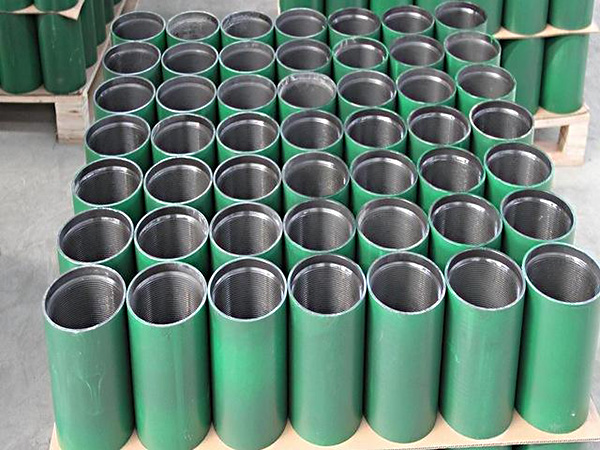
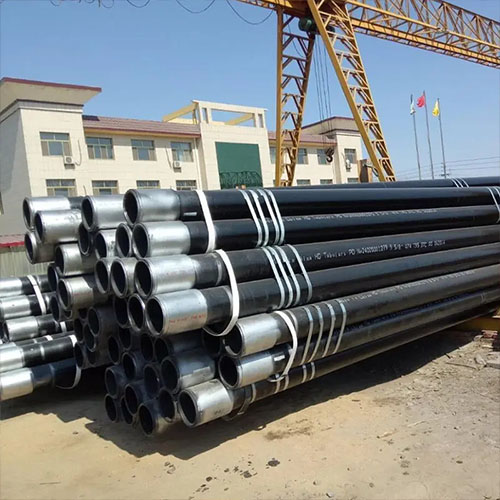
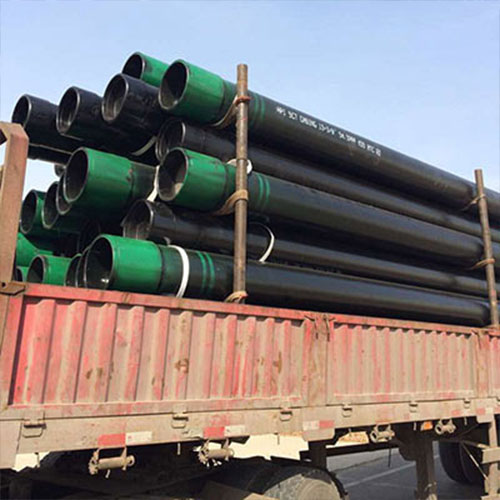
オイルケーシング材料は油井の強度と耐久性に重要な役割を果たします。オイルケーシング材料の理想的な特性を選択するときは、坑井の完全性と寿命を確保するためにいくつかの要素を考慮する必要があります。
主な考慮事項の 1 つは材料の強度です。オイルケーシングの材料は、変形したり破損したりすることなく、高圧や荷重に耐える必要があります。スチールは、強度が高く、極端な条件下でも変形に強いため、オイルケーシングによく使用される材料です。さらに、材料は、設置中および操作中に破損や故障を防ぐために、良好な引張強度を備えていなければなりません。
耐久性は、オイルケーシング材料のもう 1 つの重要な特性です。油井内の過酷な環境(腐食性流体や高温への曝露など)は、材料の劣化を促進する可能性があります。したがって、ケーシングの寿命を確保するには、耐食性の高い材料を選択することが重要です。耐食性合金は、腐食環境に耐え、長期にわたって構造の完全性を維持できるため、多くの場合好まれます。
強度と耐久性に加えて、オイルケーシング材料の熱安定性は、油井で遭遇する高温に耐えるために不可欠です。熱劣化による構造破損を防ぐためには、高温でも機械的特性を維持できる材料が好ましい。熱安定性は、温度が摂氏数百度を超える可能性がある深井戸では特に重要です。
さらに、オイルケーシング材料の選択では、ダウンホールの流体およびガスとの適合性を考慮する必要があります。一部の材料は坑井内に存在する流体と反応し、腐食やその他の形態の劣化を引き起こす可能性があります。ダウンホール流体との適合性は、材料の破損を防ぎ、坑井全体の完全性を確保するために不可欠です。
考慮すべきもう 1 つの重要な特性は、材料の製造可能性です。オイルケーシングの材料は、機械的特性を損なうことなく、必要な形状やサイズに簡単に製造できる必要があります。オイルケーシング用途には、容易に入手でき、製造コスト効率の高い材料が好まれます。
https://youtube.com/watch?v=y2Ua7ieGD5A
結論として、強度、耐久性、熱安定性、ダウンホール流体との適合性、および製造容易性は、オイルケーシング材料を選択する際に考慮すべき重要な特性です。これらの要素を慎重に評価することで、エンジニアは油井用途の厳しい要件を満たす材料を選択し、油井の長期的な性能と完全性を確保できます。
オイルケーシング材料の耐食性
耐食性は、石油・ガス産業のさまざまな用途に使用するオイルケーシング材料を選択する際に考慮すべき重要な要素です。材料の耐腐食性は、油井やパイプラインの寿命と完全性を確保する上で重要な役割を果たします。これに関連して、オイルケーシング材料の耐食性に寄与する理想的な特性を理解することが不可欠です。

分岐管輸出業者
最適な耐食性を備えたオイルケーシング材料を選択する際には、材料の固有の特性に加えて、環境要因も考慮する必要があります。温度、圧力、pH、硫化水素や二酸化炭素などの腐食剤の存在などの要因はすべて、材料の腐食に対する感受性に影響を与える可能性があります。したがって、選択した材料が曝される特定の環境に耐えられることを確認するために、シミュレートされた動作条件下で徹底的な腐食試験と評価を実施することが不可欠です。
結論として、高い耐食性を備えたオイル ケーシング材料の選択が重要です。石油およびガスインフラの長期的なパフォーマンスと完全性を保証します。材料の化学組成、微細構造、表面仕上げ、環境要因を考慮することで、エンジニアや設計者は効果的に腐食に耐え、油井やパイプラインの耐用年数を延ばす材料を選択できます。
オイルケーシング材料の費用対効果と入手性
オイルケーシング材料は、耐久性、費用対効果、入手可能性が重要な考慮事項である石油・ガス産業において重要な役割を果たしています。オイルケーシング材料の理想的な特性を選択する際には、その費用対効果と市場での入手可能性を評価することが不可欠です。ケーシング材料の選択は、掘削作業の全体的なコストと油井の長期的なパフォーマンスに大きな影響を与える可能性があります。
オイル ケーシング材料を評価する際に考慮すべき主な要素の 1 つは、費用対効果です。材料のコストは、材料の種類、入手可能性、関連する製造プロセスなどの要因によって大きく異なる場合があります。スチールは強度と耐久性があるため、オイルケーシングの材料としてよく使用されます。ただし、鋼材の価格は市場の状況や需要に応じて変動する可能性があります。対照的に、複合材料や合金などの代替材料は、初期コストが高くなる可能性があるにもかかわらず、長期的にはコスト削減につながる可能性があります。
オイルケーシング材料を選択する際に考慮すべきもう 1 つの重要な側面は、入手可能性です。材料の入手可能性は、プロジェクトのスケジュールとコストに影響を与える可能性があります。市場で容易に入手できる材料は、調達プロセスを合理化し、リードタイムを短縮するのに役立ちます。鋼は広く使用されている材料であり、特殊な合金や複合材料と比較して一般に容易に入手できます。掘削作業の遅延を回避し、プロジェクトの効率を維持するには、ケーシング材料の安定した供給を確保することが不可欠です。
費用対効果と入手可能性に加えて、オイル ケーシング材料の機械的特性も重要な考慮事項です。選択された材料は、油井やガス井で遭遇する過酷な条件に耐えるために必要な強度、耐食性、熱安定性を備えていなければなりません。スチール製のケーシング材料は、強度が高く、耐腐食性に優れているため好まれており、困難な掘削環境に適しています。しかし、材料科学の進歩により、性能特性が強化された新しい合金や複合材料の開発が行われています。
さらに、オイルケーシング材料が環境に与える影響も無視すべきではありません。石油・ガス業界における持続可能な慣行の重要性が高まっており、企業は自社の事業活動による環境フットプリントを考慮するよう求められています。リサイクル可能な材料や二酸化炭素排出量の少ない材料を選択すると、持続可能性の目標や規制要件に適合できます。再生可能資源から作られたリサイクル鋼材や複合材料は、業界の環境への影響の削減に貢献できる環境に優しい選択肢の例です。
結論として、オイルケーシング材料の選択は、費用対効果、入手可能性の総合的な評価に基づいて行う必要があります。 、機械的特性、環境への影響。スチールはその強度と耐久性により、ケーシングの材料として依然として人気のある選択肢ですが、代替材料にはコスト削減と持続可能性の点で独自の利点があります。これらの要素を慎重に考慮することで、石油およびガス会社は、パフォーマンスを最適化し、コストを削減し、環境目標に沿った情報に基づいた意思決定を行うことができます。
Oil casing materials play a crucial role in the Oil and gas industry, where durability, cost-effectiveness, and availability are key considerations. When selecting the ideal attributes for oil casing materials, it is essential to evaluate their cost-effectiveness and availability in the market. The choice of casing material can significantly impact the overall cost of drilling operations and the long-term performance of oil wells.
One of the primary factors to consider when evaluating oil casing materials is their cost-effectiveness. The cost of materials can vary significantly based on factors such as the type of material, its availability, and the manufacturing process involved. steel is a commonly used material for oil casing due to its strength and durability. However, the cost of steel can fluctuate based on market conditions and demand. In contrast, alternative materials such as composite materials or alloys may offer cost savings in the long run despite potentially higher initial costs.
Availability is another critical aspect to consider when selecting oil casing materials. The availability of materials can impact project timelines and costs. Materials that are readily available in the market can help streamline the procurement process and reduce lead times. Steel, being a widely used material, is generally more readily available compared to specialized alloys or composite materials. Ensuring a consistent supply of casing materials is essential to avoid delays in drilling operations and maintain project efficiency.
In addition to cost-effectiveness and availability, the mechanical properties of oil casing materials are vital considerations. The material selected must possess the necessary strength, Corrosion resistance, and thermal stability to withstand the harsh conditions encountered in oil and gas wells. steel casing materials are preferred for their High strength and resistance to corrosion, making them suitable for challenging drilling environments. However, advancements in material science have led to the development of new alloys and composites that offer enhanced performance characteristics.
Furthermore, the environmental impact of oil casing materials should not be overlooked. Sustainable practices in the oil and gas industry are gaining importance, prompting Companies to consider the environmental footprint of their operations. Choosing materials that are recyclable or have a lower carbon footprint can align with sustainability goals and regulatory requirements. Recycled steel and composite materials made from renewable sources are examples of environmentally friendly options that can contribute to reducing the industry’s environmental impact.
In conclusion, the selection of oil casing materials should be based on a comprehensive evaluation of their cost-effectiveness, availability, mechanical properties, and environmental impact. Steel remains a popular choice for casing materials due to its strength and durability, but alternative materials offer unique advantages in terms of cost savings and sustainability. By considering these factors carefully, oil and gas companies can make informed decisions that optimize performance, reduce costs, and align with environmental objectives.