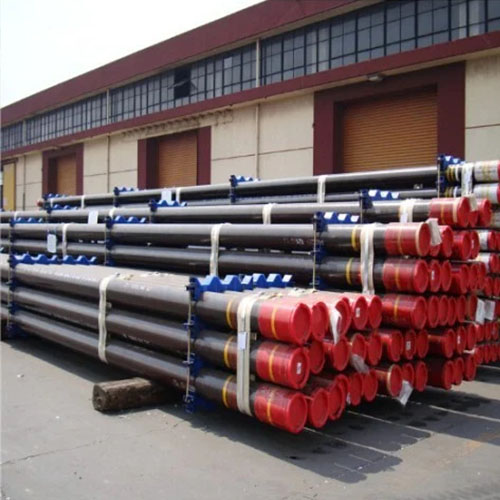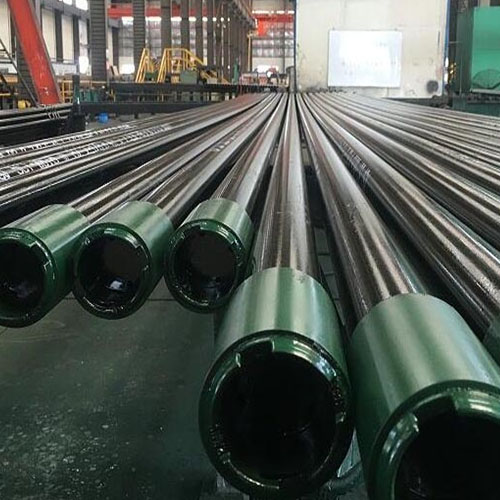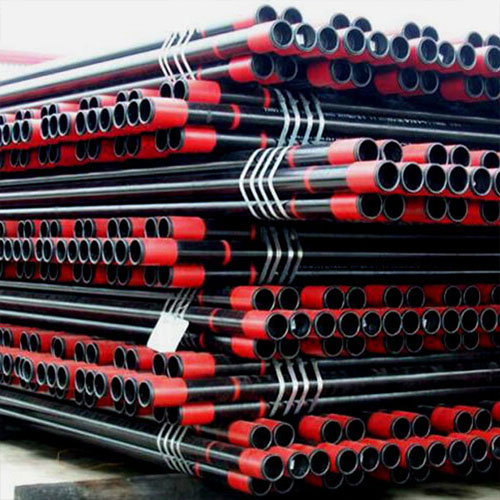
Importance of Fluid Handling Characteristics in piping material Selection
When it comes to selecting the right piping material for a specific application, one of the key factors that must be taken into consideration is the fluid handling characteristics of the system. The way in which a fluid behaves as it flows through a piping system can have a significant impact on the performance and longevity of the system, making it crucial to choose a material that is well-suited to the specific requirements of the application.
One of the primary considerations when selecting a piping material is the corrosivity of the fluid being transported. Certain fluids, such as acids, alkalis, and other corrosive substances, can cause significant damage to piping systems if the material is not resistant to corrosion. In these cases, it is essential to choose a material that is chemically compatible with the fluid to ensure the longevity and reliability of the system.
Pipe fitting
In addition to corrosivity, the temperature and pressure of the fluid must also be taken into account when selecting a piping material. High temperatures and pressures can place significant stress on a piping system, potentially leading to leaks, ruptures, or other failures if the material is not able to withstand these conditions. materials such as stainless steel, carbon steel, and PVC are commonly used for high-temperature and high-pressure applications due to their strength and durability.
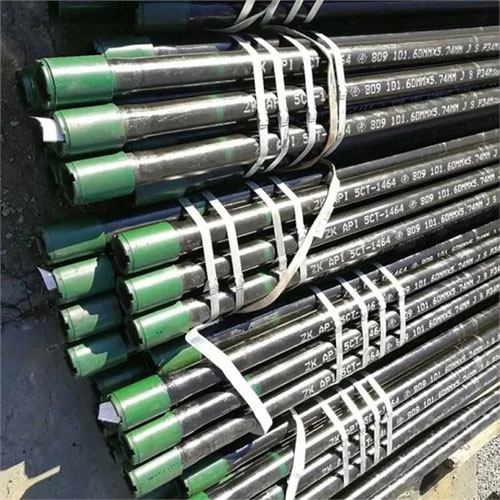
Another important factor to consider when selecting a piping material is the flow characteristics of the fluid. Some fluids, such as slurries or viscous liquids, can be difficult to transport through a piping system due to their tendency to clog or build up on the walls of the pipe. In these cases, it is important to choose a material that has a smooth interior surface to minimize friction and reduce the likelihood of blockages.
The size and layout of the piping system can also impact the choice of material. For example, if the system requires long runs of piping or complex configurations, it may be necessary to choose a material that is lightWeight and easy to install, such as PVC or HDPE. On the other hand, if the system requires high levels of structural integrity or resistance to external forces, materials such as steel or ductile iron may be more appropriate.
In some cases, the cost of the piping material may also be a consideration when making a selection. While certain materials may offer superior performance or longevity, they may also come with a higher Price tag. It is important to weigh the benefits of a more expensive material against the potential cost savings over the life of the system to determine the most cost-effective option.
Overall, the fluid handling characteristics of a piping system play a crucial role in determining the most suitable material for a specific application. By carefully considering factors such as corrosivity, temperature, pressure, flow characteristics, size, layout, and cost, it is possible to select a material that will provide optimal performance and longevity for the system. Making an informed decision based on these factors will help to ensure the success of the project and minimize the risk of costly Repairs or replacements in the future.
https://youtube.com/watch?v=yRqVb0LdTVk