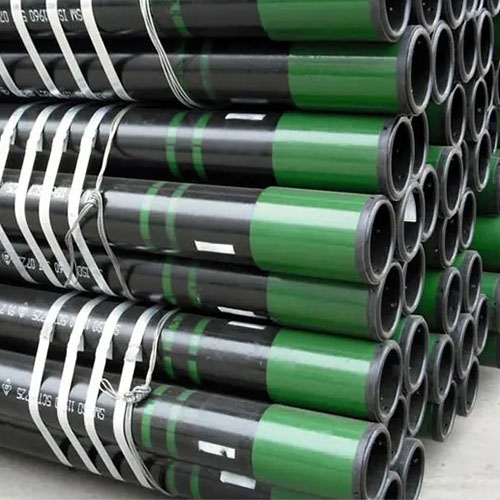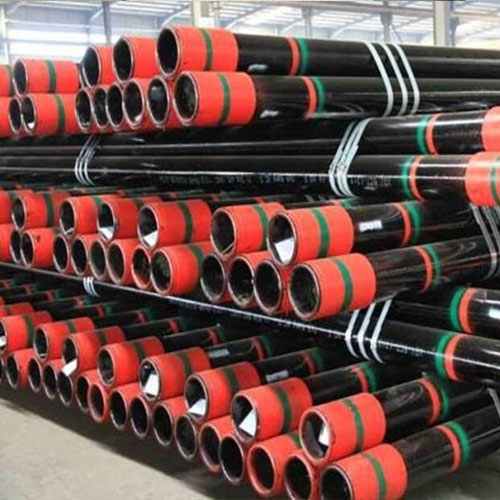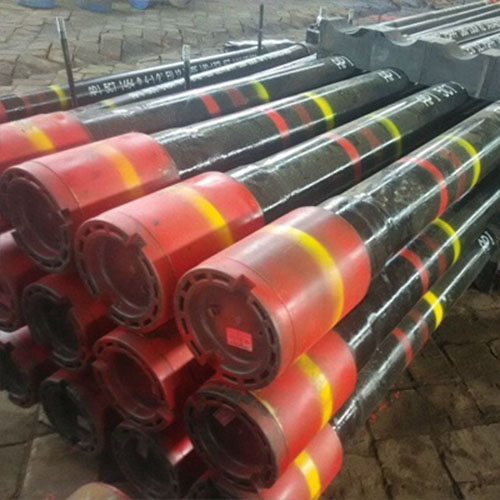
**Definition of API Pipes**
API pipes, or American petroleum Institute pipes, are specifically designed and manufactured to meet the rigorous standards set forth by the American Petroleum Institute, an organization that plays a crucial role in the Oil and gas industry. These pipes are primarily utilized in the transportation of oil, natural gas, and other fluids, and they are characterized by their ability to withstand high pressures and corrosive environments. The API standards encompass various aspects of pipe production, including material specifications, manufacturing processes, and testing methods, ensuring that the pipes are reliable and safe for use in demanding applications. API pipes are categorized into different grades, each tailored to specific operational requirements, which allows for a wide range of applications in the energy sector.
In contrast, astm pipes, which adhere to the standards set by the American Society for Testing and materials, are utilized across a broader spectrum of industries, including construction, manufacturing, and infrastructure. ASTM standards cover a wide array of materials and products, including metals, plastics, and composites, and they provide guidelines for the quality and performance of these materials. ASTM pipes are often used in applications that require specific mechanical properties, such as tensile strength, ductility, and impact resistance. The versatility of ASTM pipes makes them suitable for various applications, from water supply systems to structural components in buildings.
One of the primary contrasts between API and ASTM pipes lies in their intended applications. API pipes are predominantly focused on the oil and gas industry, where the transportation of hydrocarbons necessitates stringent safety and performance standards. The API specifications ensure that the pipes can handle the unique challenges posed by the extraction and transportation of these resources, including exposure to high pressures and the potential for corrosive substances. On the other hand, ASTM pipes serve a more diverse range of industries, which means that their specifications may not be as stringent in terms of pressure and Corrosion resistance, depending on the intended use.
Another significant difference between API and ASTM pipes is the testing and certification process. API pipes undergo rigorous testing to ensure compliance with the established standards, which may include Hydrostatic testing, Non-destructive testing, and other quality assurance measures. This thorough testing process is essential for maintaining the integrity and safety of the pipes used in high-stakes environments like oil and gas extraction. Conversely, while ASTM pipes also undergo testing, the requirements may vary significantly based on the specific ASTM standard being applied. This variability can lead to differences in the overall quality and performance characteristics of ASTM pipes compared to their API counterparts.
oilfield Thread protectors
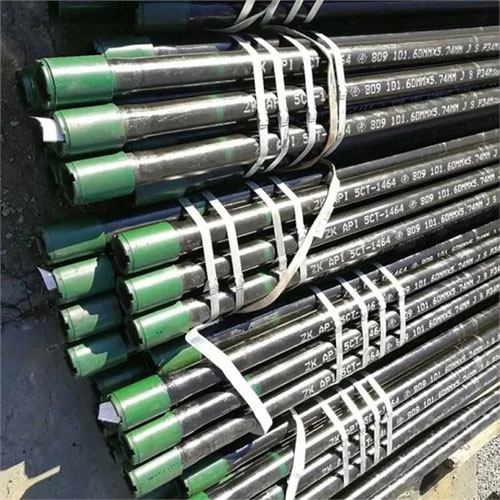
Furthermore, the material specifications for API and ASTM pipes can differ considerably. API pipes are often manufactured from high-strength materials that are specifically chosen for their ability to withstand the harsh conditions encountered in oil and gas applications. These materials may include various grades of Carbon steel and alloy steel, which are selected for their mechanical properties and resistance to corrosion. In contrast, ASTM pipes may be produced from a wider range of materials, including stainless steel, plastic, and other composites, depending on the requirements of the specific application.
In summary, while both API and ASTM pipes serve essential roles in their respective industries, they are distinguished by their intended applications, testing and certification processes, and material specifications. API pipes are tailored for the oil and gas sector, emphasizing safety and performance under extreme conditions, whereas ASTM pipes cater to a broader range of industries, offering versatility and adaptability in material selection and application. Understanding these contrasts is crucial for professionals in the field when selecting the appropriate piping solutions for their specific needs.
https://youtube.com/watch?v=zdG0-AKio40