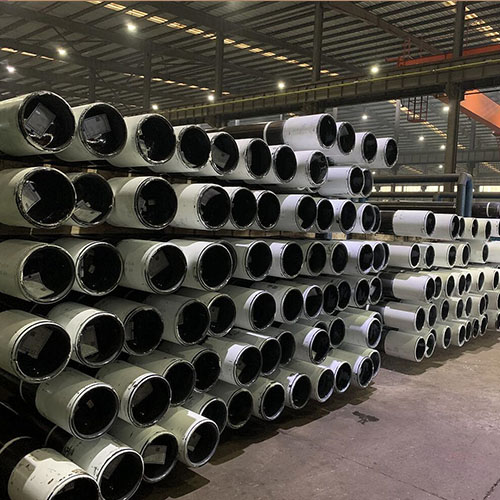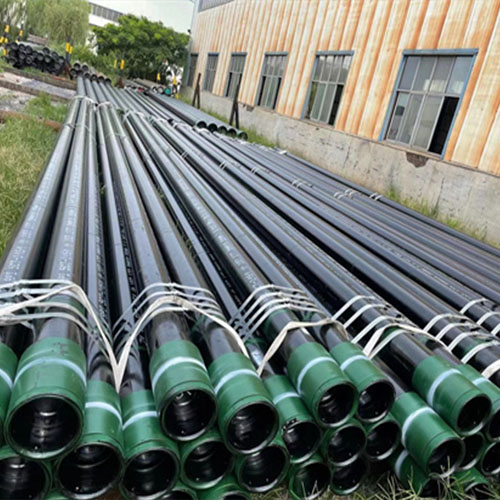
Overview of API 5ct casing Pipe specifications and standards
api 5CT casing pipes are essential components in the Oil and gas industry, specifically designed to provide structural integrity and support during the drilling process. These pipes are manufactured according to the specifications set forth by the American petroleum Institute (API), which ensures that they meet rigorous standards for quality and performance. The API 5CT specification outlines the requirements for casing and Tubing used in the production of oil and gas wells, and it is crucial for Suppliers to adhere to these standards to guarantee the safety and efficiency of drilling operations.
The specifications of API 5CT casing pipes encompass various aspects, including material properties, dimensions, and manufacturing processes. The pipes are typically made from carbon steel or alloy steel, which provides the necessary strength and durability to withstand the harsh conditions encountered in subsurface environments. The API 5CT standard categorizes casing pipes into different grades, such as H-40, J-55, K-55, N-80, and P-110, each of which has specific mechanical properties and yield strengths. For instance, the J-55 grade is commonly used for shallow wells, while the P-110 grade is suitable for high-pressure applications. This classification allows operators to select the appropriate casing pipe based on the specific requirements of their drilling projects.
In addition to material grades, API 5CT also specifies the dimensions and tolerances of casing pipes. The standard outlines various sizes, typically ranging from 4.5 inches to 20 inches in outer Diameter, with Wall thicknesses varying according to the pipe’s intended use. The precise dimensions are critical, as they ensure compatibility with other components of the wellbore, such as the Wellhead and production tubing. Furthermore, the standard includes guidelines for the manufacturing processes, which encompass both seamless and welded pipe production methods. seamless pipes are often preferred for their superior strength and reliability, while welded pipes may be used in less demanding applications.
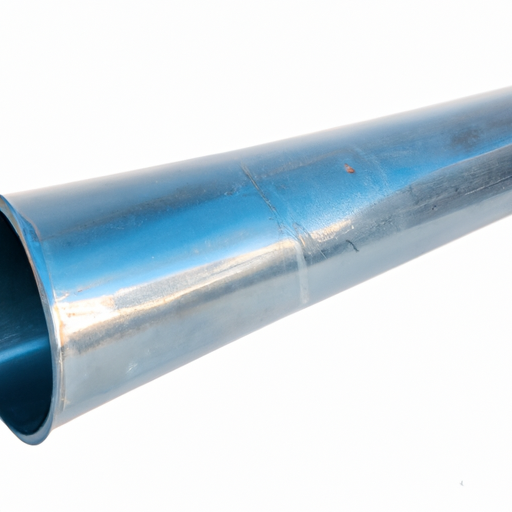
Another important aspect of API 5CT casing pipes is the requirement for surface treatment and coating. To enhance Corrosion resistance and prolong the lifespan of the pipes, suppliers often apply protective coatings, such as epoxy or zinc, which help to mitigate the effects of harsh environmental conditions. Additionally, the standard mandates that casing pipes undergo rigorous testing and inspection procedures to ensure they meet the specified quality standards. These tests may include Non-destructive testing methods, such as ultrasonic testing and magnetic particle inspection, which help to identify any potential defects in the material.
Moreover, API 5CT casing pipe Suppliers play a vital role in the supply chain of the oil and gas industry. They must not only provide high-quality products that comply with API standards but also ensure timely delivery and reliable customer service. This is particularly important in the context of drilling operations, where delays in the supply of casing pipes can lead to significant financial losses. As such, reputable suppliers often establish strong relationships with Manufacturers and logistics providers to streamline the procurement process and maintain a steady inventory of API 5CT casing pipes.
In conclusion, API 5CT casing pipes are fundamental to the successful operation of oil and gas wells, and understanding their specifications and standards is essential for industry professionals. By adhering to the API guidelines, suppliers can ensure that their products meet the necessary quality and performance criteria, ultimately contributing to the safety and efficiency of drilling operations. As the demand for energy continues to grow, the importance of reliable API 5CT casing pipe suppliers will only increase, underscoring the need for ongoing commitment to quality and excellence in this critical sector.
Key Factors to Consider When Choosing API 5CT Casing Pipe Suppliers
When selecting API 5CT casing pipe suppliers, it is essential to consider several key factors that can significantly impact the quality of the products and the overall success of your project. API 5CT casing pipes are critical components in the oil and gas industry, designed to provide structural integrity and support during drilling operations. Therefore, the choice of supplier can influence not only the performance of the casing pipes but also the safety and efficiency of the drilling process.
One of the foremost factors to consider is the supplier’s reputation and experience in the industry. A supplier with a long-standing history and a solid reputation is likely to have established reliable quality control processes and a deep understanding of the specific requirements of API 5CT standards. It is advisable to research potential suppliers by reviewing their track record, client testimonials, and case studies. This information can provide valuable insights into their reliability and the quality of their products.
api 5ct L80-1 CASING Chinese best WholesalerIn addition to reputation, the quality of the casing pipes themselves is paramount. It is crucial to ensure that the supplier adheres to the stringent specifications outlined in the API 5CT standard. This includes the material properties, manufacturing processes, and testing protocols that guarantee the pipes can withstand the harsh conditions encountered in oil and gas extraction. Suppliers should be able to provide documentation and certifications that demonstrate compliance with these standards, including mill test reports and third-party inspection certificates.
Another important consideration is the range of products offered by the supplier. A supplier that provides a comprehensive selection of API 5CT casing pipes, including various grades, sizes, and specifications, can be advantageous. This variety allows for greater flexibility in meeting specific project requirements and can simplify the procurement process. Furthermore, suppliers that offer additional services, such as custom manufacturing or technical support, can enhance the overall value of the partnership.
https://youtube.com/watch?v=TFftwFKh3XM
Pricing is, of course, a critical factor in the decision-making process. However, it is essential to approach pricing with a balanced perspective. While it may be tempting to choose the lowest-Priced option, it is vital to consider the overall value being offered. This includes evaluating the quality of the products, the level of customer service, and the reliability of delivery schedules. A slightly higher price may be justified if it comes with superior quality and service, ultimately leading to cost savings in the long run.
Moreover, the supplier’s ability to provide timely delivery is another crucial aspect to consider. Delays in the supply of casing pipes can lead to significant project setbacks and increased costs. Therefore, it is advisable to inquire about the supplier’s lead times and their capacity to meet urgent orders. A supplier with a well-organized logistics system and a proven track record of on-time delivery can be a valuable partner in ensuring the smooth progression of drilling operations.
Lastly, establishing a good communication channel with the supplier is essential. Effective communication fosters a collaborative relationship, allowing for quick resolution of any issues that may arise during the procurement process. A supplier that is responsive and willing to engage in open dialogue can provide reassurance and support throughout the project lifecycle.
In conclusion, choosing the right API 5CT casing pipe supplier involves careful consideration of various factors, including reputation, product quality, range of offerings, pricing, delivery capabilities, and communication. By thoroughly evaluating these aspects, Companies can make informed decisions that contribute to the success of their drilling operations and ensure the integrity and safety of their projects.