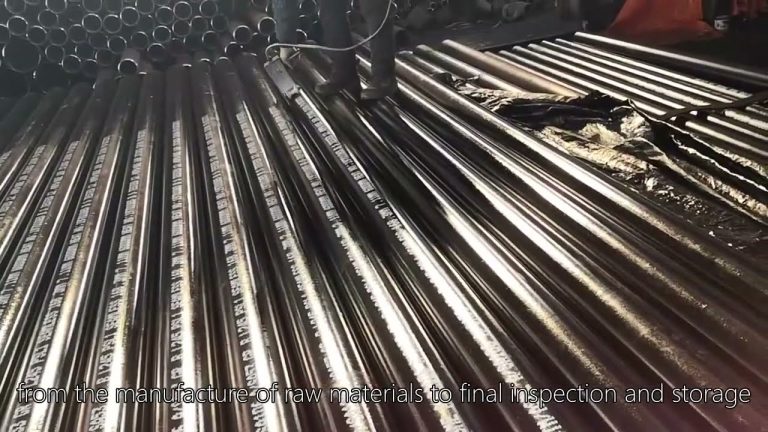
Durability and Strength of Oil casing materials
The durability and strength of oil casing materials are critical factors in the Oil and gas industry, as they directly influence the safety, efficiency, and longevity of drilling operations. Oil casing serves as a protective barrier that maintains the integrity of the wellbore, preventing the collapse of the surrounding geological formations and safeguarding against the influx of fluids from surrounding strata. Consequently, the selection of appropriate materials for oil casing is paramount, as it must withstand extreme conditions, including high pressures, corrosive environments, and significant temperature variations.

https://youtube.com/watch?v=jRjUVhSQVYQOne of the most commonly used materials for oil casing is carbon steel, which is favored for its excellent mechanical properties and cost-effectiveness. Carbon steel exhibits high tensile strength, making it capable of withstanding the substantial forces encountered during drilling and production. Additionally, its availability in various grades allows for tailored solutions to meet specific operational requirements. However, while carbon steel is robust, it is susceptible to corrosion, particularly in environments containing hydrogen sulfide or carbon dioxide. To mitigate this risk, operators often employ protective coatings or select higher alloy steels that offer enhanced resistance to corrosive elements.
In recent years, the use of stainless steel has gained popularity in the oil and gas sector due to its superior Corrosion resistance. Stainless steel alloys, particularly those containing nickel and chromium, provide an effective solution for wells located in aggressive environments. The inherent properties of stainless steel not only enhance durability but also extend the lifespan of the casing, reducing the need for frequent replacements and Maintenance. However, the higher cost of stainless steel compared to carbon steel can be a limiting factor for some operators, necessitating a careful cost-benefit analysis when selecting materials.
Another innovative option in the realm of oil casing materials is the use of composite materials. These materials, which combine polymers with reinforcing fibers, offer a lightWeight alternative to traditional metals. The reduced weight of composite casings can lead to lower transportation and installation costs, as well as decreased energy consumption during drilling operations. Furthermore, composites exhibit excellent resistance to corrosion and can be engineered to meet specific mechanical requirements. Despite these advantages, the adoption of composite materials in oil casing applications is still in its infancy, and further research is needed to fully understand their long-term performance in the field.
In addition to material selection, the manufacturing processes employed in the production of oil casing also play a significant role in determining the overall strength and durability of the final product. Advanced techniques such as heat treatment and cold working can enhance the mechanical properties of casing materials, ensuring they meet the rigorous demands of the oil and gas industry. Moreover, stringent quality control measures during manufacturing are essential to identify and eliminate defects that could compromise the integrity of the casing.
Ultimately, the choice of oil casing materials hinges on a comprehensive understanding of the specific conditions of the drilling environment, as well as the mechanical and chemical demands placed on the casing. By carefully evaluating the characteristics of various materials, including carbon steel, stainless steel, and composites, operators can make informed decisions that enhance the safety and efficiency of their drilling operations. As the industry continues to evolve, ongoing advancements in material science and engineering will undoubtedly lead to the development of even more resilient and effective oil casing solutions, further contributing to the sustainability and productivity of oil and gas extraction.
Corrosion Resistance in Oil Casing Selection
Corrosion resistance is a critical factor in the selection of oil casing materials, as it directly impacts the longevity and integrity of oil wells. The oil and gas industry operates in environments that expose materials to various corrosive agents, including hydrogen sulfide, carbon dioxide, and chlorides, which can significantly degrade the performance of casing materials over time. Therefore, understanding the characteristics that contribute to corrosion resistance is essential for making informed decisions regarding oil casing selection.
One of the primary materials used in oil casing is carbon steel, which, while strong and cost-effective, is susceptible to corrosion in harsh environments. To enhance its resistance, various alloying elements can be added, such as chromium and nickel, which form protective oxide layers on the surface of the steel. These layers act as barriers, preventing corrosive substances from penetrating the material. Additionally, the use of corrosion-resistant alloys (CRAs) has gained popularity in recent years. These alloys, which include stainless steels and nickel-based alloys, offer superior resistance to pitting and stress corrosion cracking, making them suitable for high-risk environments.
Another important consideration in the selection of oil casing materials is the application of protective coatings. Coatings can provide an additional layer of defense against corrosion, significantly extending the lifespan of the casing. Epoxy and polyurethane coatings are commonly used due to their excellent adhesion and resistance to chemical attack. Furthermore, cathodic protection systems can be employed to mitigate corrosion by using sacrificial anodes or impressed current systems, which help to divert corrosive currents away from the casing.
In addition to material selection and protective measures, the design and installation of the casing also play a crucial role in corrosion resistance. Proper Sealing and joint integrity are vital to prevent the ingress of corrosive fluids. The use of Threaded connections, for instance, must be carefully considered, as they can be points of weakness if not properly sealed. Moreover, the installation process should ensure that the casing is free from defects, such as dents or scratches, which can compromise its protective barriers.
Environmental factors must also be taken into account when selecting oil casing materials. The presence of water, particularly in the form of brine, can accelerate corrosion processes. Therefore, understanding the specific conditions of the drilling site, including temperature, pressure, and the chemical composition of the fluids, is essential for selecting the most appropriate materials. For instance, in environments with high levels of hydrogen sulfide, materials that can withstand sour service conditions, such as those meeting the NACE MR0175 standard, should be prioritized.
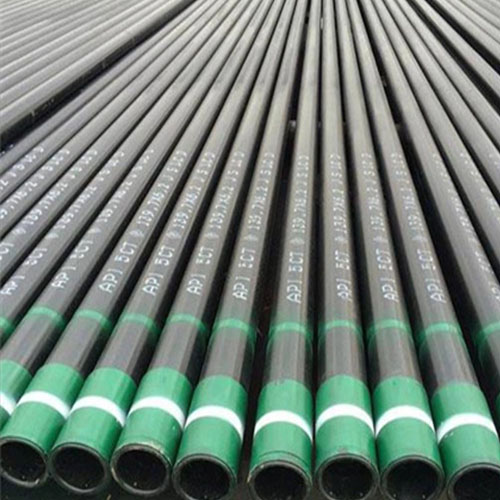
API 5ct C90 CASING for sale
Ultimately, the choice of oil casing materials hinges on a comprehensive understanding of corrosion mechanisms and the specific challenges posed by the operating environment. By carefully evaluating the characteristics of various materials, including their resistance to corrosion, the effectiveness of protective coatings, and the implications of design and installation practices, operators can make informed decisions that enhance the durability and reliability of oil wells. This proactive approach not only safeguards investments but also contributes to the overall efficiency and sustainability of oil and gas operations. In conclusion, prioritizing corrosion resistance in oil casing selection is essential for ensuring the long-term success of drilling projects, ultimately leading to safer and more efficient extraction of valuable resources.