Types of Oil well casing Sizes
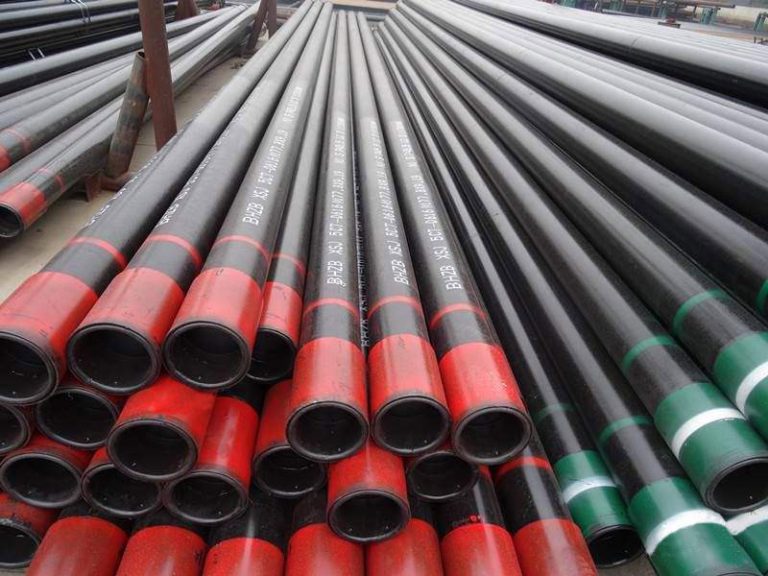
Oil well casing is a critical component in the drilling and production of Oil and gas, serving to protect the wellbore, prevent the collapse of the surrounding formation, and isolate different pressure zones. The sizes of oil well casing are defined by a combination of their outer Diameter, Wall thickness, and the specific requirements of the well being drilled. Generally, casing sizes are standardized, which facilitates the design and construction of wells across various regions and formations.
The most common casing sizes are measured in inches, with the outer diameter being the primary measurement used to classify them. For instance, the surface casing, which is the first layer of casing installed, typically ranges from 8.625 inches to 20 inches in diameter. This casing is crucial for protecting freshwater aquifers and providing structural integrity to the well during the drilling process. Following the surface casing, the intermediate casing is installed, which usually has a diameter ranging from 7 inches to 9.625 inches. This casing serves to isolate different geological formations and manage pressure changes that may occur during drilling and production.
As drilling progresses deeper, Production casing is installed, which can vary in size from 4.5 inches to 7 inches in diameter. The production casing is designed to withstand the high pressures and temperatures encountered in the reservoir, ensuring that hydrocarbons can be safely extracted. The choice of casing size is influenced by several factors, including the depth of the well, the type of formation being drilled, and the expected production rates. Additionally, the wall thickness of the casing is also a critical consideration, as it must be sufficient to withstand the mechanical stresses and corrosive environments encountered during the life of the well.
In addition to the standard sizes, there are also specialty casings designed for specific applications. For example, expandable casing technology allows for the installation of casing that can be expanded to fit the wellbore, providing additional support and Sealing capabilities. This technology is particularly useful in challenging environments where traditional casing may not provide adequate support. Furthermore, the use of composite materials in casing design is gaining traction, as these materials can offer enhanced resistance to corrosion and reduced Weight, which can be beneficial in certain drilling scenarios.
The selection of casing size and type is not only a technical decision but also a strategic one, as it can significantly impact the overall cost and efficiency of the drilling operation. Engineers must carefully evaluate the geological conditions, anticipated pressures, and production goals to determine the most appropriate casing design. Moreover, regulatory requirements and industry standards also play a vital role in guiding the selection process, ensuring that safety and environmental considerations are prioritized.
In conclusion, the defined sizes of oil well casing are essential for the successful drilling and production of oil and gas. With a variety of standard and specialty sizes available, engineers must navigate a complex landscape of technical specifications and operational requirements. By understanding the implications of casing size and design, operators can optimize their drilling programs, enhance safety, and improve overall production efficiency. As the industry continues to evolve, advancements in casing technology will likely lead to even more innovative solutions for the challenges faced in oil and gas extraction.
Standard Dimensions for oil well casings
Oil well casing is a critical component in the drilling and completion of oil and gas wells, serving to protect the wellbore, prevent the migration of fluids, and provide structural integrity. The casing is typically made of steel and is available in various sizes and specifications to accommodate different well conditions and requirements. Understanding the standard dimensions of oil well casing is essential for engineers and operators involved in the drilling process, as it directly impacts the efficiency and safety of the operation.
The most common sizes of oil well casing are defined by their nominal diameter, which is measured in inches. Standard casing sizes range from 4.5 inches to 20 inches in diameter, with the most frequently used sizes being 5.5 inches, 7 inches, 9.625 inches, and 13.375 inches. Each of these sizes serves specific purposes within the wellbore. For instance, smaller casings, such as 4.5 inches, are often used for production wells, while larger casings, like 13.375 inches, are typically employed for surface casing, which provides the initial support and protection for the well.
In addition to diameter, the wall thickness of the casing is another crucial factor that influences its performance. The American petroleum Institute ( API) has established standards for casing wall thickness, which are categorized into different grades. These grades, such as H40, J55, K55, and L80, indicate the strength and durability of the casing material. For example, H40 casing is suitable for low-pressure applications, while L80 is designed for higher-pressure environments. The selection of the appropriate grade and wall thickness is vital, as it ensures that the casing can withstand the pressures and stresses encountered during drilling and production.
Furthermore, the Length of oil well casing is also standardized, with most casing lengths being 40 feet or 30 feet. These standard lengths facilitate transportation and handling during the drilling process. However, it is not uncommon for operators to use custom lengths to meet specific well requirements. The ability to customize casing lengths allows for greater flexibility in well design and can help optimize the drilling process.
transitioning from the dimensions to the installation process, it is important to note that casing is typically installed in sections, which are then connected using couplings. The connections must be secure to prevent leaks and ensure the integrity of the well. Additionally, cement is often pumped into the annular space between the casing and the wellbore to provide further support and isolation from surrounding formations. This Cementing process is crucial for maintaining well integrity and preventing the migration of fluids between different geological layers.
steel Tubing Chinese best ExporterIn conclusion, the defined sizes of oil well casing play a significant role in the overall success of drilling operations. By adhering to standard dimensions, operators can ensure that they select the appropriate casing for their specific well conditions. The interplay between diameter, wall thickness, and length, along with the proper installation techniques, contributes to the safety and efficiency of oil and gas extraction. As the industry continues to evolve, understanding these standards will remain essential for engineers and operators striving to optimize their drilling practices.
Importance of Casing Size in Oil Well Design
In the realm of oil well design, the significance of casing size cannot be overstated. Casing serves as a critical component in the construction of oil wells, providing structural integrity and ensuring the safe extraction of hydrocarbons. The defined sizes of oil well casing are determined by various factors, including the geological conditions of the drilling site, the depth of the well, and the specific requirements of the extraction process. Understanding these sizes is essential for engineers and geologists alike, as they directly influence the overall efficiency and safety of the drilling operation.
https://youtube.com/watch?v=L5jdzzMZMA8
To begin with, casing is typically categorized into several sizes, which are standardized to facilitate compatibility and ease of use across different drilling projects. The most common casing sizes range from 4.5 inches to 20 inches in diameter, with each size serving distinct purposes throughout the drilling process. For instance, smaller casings, such as 4.5-inch diameter Pipes, are often used in the initial stages of drilling, where precision is paramount. Conversely, larger casings, such as 20-inch pipes, are employed in deeper sections of the well, where the pressure and temperature conditions are more extreme.
Moreover, the selection of casing size is influenced by the anticipated production rates and the characteristics of the reservoir being tapped. In formations with high pressure and temperature, larger casings may be necessary to accommodate the flow of oil and gas while maintaining structural integrity. This is particularly important in preventing blowouts, which can occur if the casing fails under extreme conditions. Therefore, engineers must carefully assess the geological data and production forecasts to determine the most appropriate casing size for each specific well.
In addition to safety considerations, the size of the casing also impacts the overall cost of the drilling operation. Larger casings require more material and, consequently, higher costs for both procurement and installation. However, opting for a smaller casing size may lead to complications during the extraction process, such as increased wear and tear on equipment or difficulties in managing wellbore stability. Thus, a delicate balance must be struck between cost efficiency and operational safety, making the selection of casing size a critical decision in the design phase of oil wells.
Furthermore, advancements in drilling technology have led to the development of specialized casing designs that cater to specific challenges encountered in various environments. For example, in offshore drilling operations, where environmental conditions can be particularly harsh, casing sizes may be adjusted to enhance durability and resistance to corrosion. These innovations underscore the importance of ongoing research and development in the field of oil well design, as engineers strive to optimize casing sizes for improved performance and safety.

In conclusion, the defined sizes of oil well casing play a pivotal role in the design and execution of drilling operations. By understanding the implications of casing size on safety, cost, and efficiency, engineers can make informed decisions that ultimately enhance the success of oil extraction projects. As the industry continues to evolve, the importance of selecting the appropriate casing size will remain a fundamental aspect of oil well design, ensuring that operations are conducted safely and effectively in the pursuit of valuable hydrocarbon resources.