common casing Sizes in Oil Wells
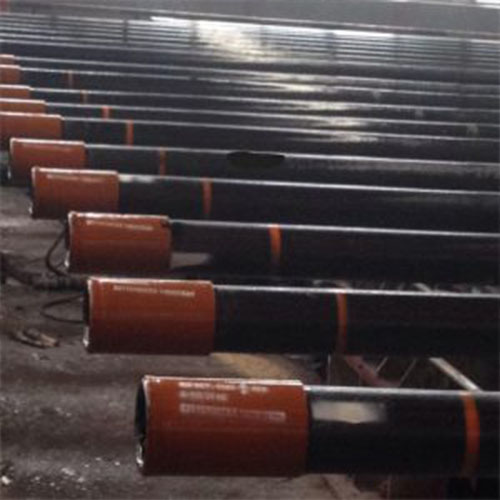
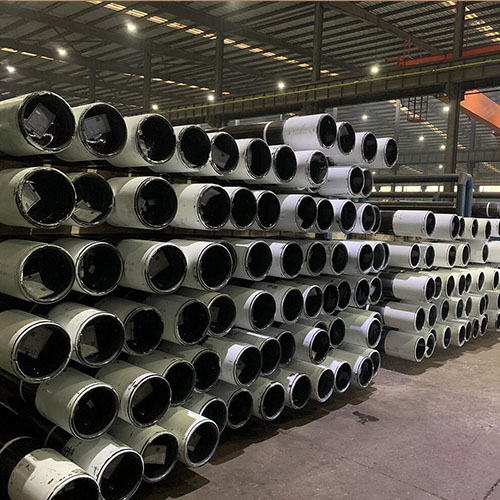
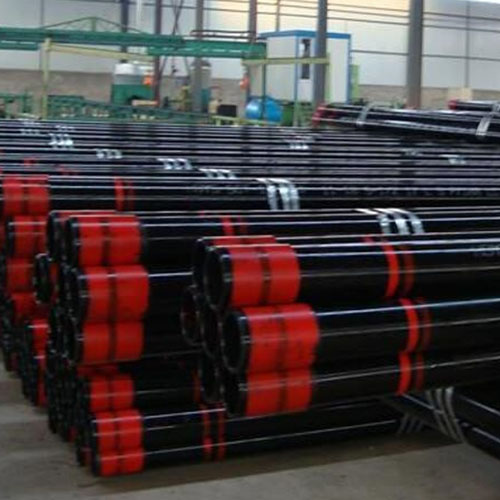
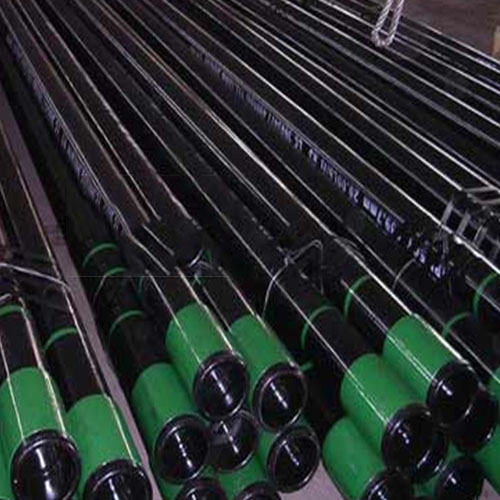
In the Oil and gas industry, the casing of an oil well plays a crucial role in ensuring the structural integrity and safety of the wellbore. Casing is a series of steel Pipes that are inserted into the well to provide support, prevent the collapse of the wellbore, and isolate different geological formations. Understanding the common casing sizes used in oil wells is essential for engineers and geologists involved in drilling operations. The sizes of casing are standardized, allowing for compatibility and interchangeability across various drilling projects.
The most commonly used casing sizes in oil wells are measured in inches, and they typically range from 4.5 inches to 20 inches in Diameter. The selection of casing size depends on several factors, including the depth of the well, the type of formation being drilled, and the specific requirements of the drilling operation. For instance, the surface casing, which is the first layer of casing installed, is usually larger in diameter, often around 20 inches. This larger size is necessary to provide stability and protect the well from surface pressures and environmental factors.
As drilling progresses deeper, the casing size generally decreases. The intermediate casing, which is installed after the surface casing, typically ranges from 9.625 inches to 13.375 inches in diameter. This casing serves to isolate different pressure zones and protect the wellbore from potential collapse due to the surrounding geological formations. The choice of intermediate casing size is influenced by the anticipated pressures and the characteristics of the formations encountered during drilling.
Once the target depth is reached, production casing is installed to facilitate the extraction of oil or gas. The production casing is usually smaller in diameter, commonly ranging from 4.5 inches to 7 inches. This size allows for the installation of production Tubing, which is necessary for the efficient flow of hydrocarbons to the surface. The production casing must be robust enough to withstand the pressures and temperatures associated with the production phase, while also allowing for the necessary completion equipment to be installed.
steel tube china best Companies
In addition to these standard sizes, there are also variations in casing design, such as the use of Premium casing, which is manufactured to higher specifications to withstand extreme conditions. Premium casing is often used in challenging environments, such as deepwater drilling or in areas with high-pressure reservoirs. The choice of casing size and type is critical, as it directly impacts the overall success of the drilling operation and the long-term productivity of the well.
Moreover, the casing sizes must comply with industry standards and regulations, which are established by organizations such as the American petroleum Institute ( API). These standards ensure that the casing is manufactured to specific quality and performance criteria, thereby enhancing safety and reliability in drilling operations. As technology advances, the industry continues to explore new materials and designs that may lead to the development of casing sizes that better meet the demands of modern drilling practices.
In conclusion, the core sizes of oil well casing are fundamental to the drilling process, influencing the well’s structural integrity and operational efficiency. By understanding the common casing sizes and their applications, professionals in the oil and gas industry can make informed decisions that enhance the safety and productivity of their drilling operations. The careful selection of casing sizes, in conjunction with adherence to industry standards, ultimately contributes to the successful extraction of valuable resources from beneath the earth’s surface.
Importance of Casing Size Selection
The selection of casing size in oil well construction is a critical aspect that significantly influences the overall success and safety of drilling operations. Casing serves multiple essential functions, including providing structural integrity to the wellbore, preventing the collapse of the surrounding geological formations, and isolating different pressure zones within the well. Consequently, the importance of selecting the appropriate casing size cannot be overstated, as it directly impacts the efficiency of the drilling process and the long-term viability of the well.
One of the primary considerations in casing size selection is the well’s depth and the anticipated pressures encountered during drilling. As the well depth increases, the pressure exerted by the surrounding rock formations also rises, necessitating the use of thicker and stronger casing to withstand these forces. If the casing is too thin or inadequately sized, it may fail under pressure, leading to catastrophic consequences such as blowouts or well collapses. Therefore, engineers must carefully analyze geological data and pressure profiles to determine the optimal casing size that can safely accommodate the expected conditions.
https://youtube.com/watch?v=TFftwFKh3XMIn addition to pressure considerations, the casing size also plays a crucial role in the well’s ability to manage fluid flow. The diameter of the casing affects the volume of fluids that can be produced or injected into the well. A larger casing diameter allows for increased flow rates, which can enhance production efficiency. However, it is essential to balance this with the costs associated with larger casing, as thicker and wider casing materials are generally more expensive. Thus, economic factors must also be taken into account when selecting casing sizes, ensuring that the chosen dimensions align with the project’s budget while still meeting safety and operational requirements.
Moreover, the casing size selection is influenced by the type of well being drilled, whether it is an exploratory well, a production well, or an injection well. Each type of well has distinct operational needs and challenges that dictate the appropriate casing dimensions. For instance, exploratory wells may require different casing sizes compared to production wells due to variations in expected pressures and fluid characteristics. Understanding these differences is vital for engineers to make informed decisions that optimize well performance and minimize risks.
Furthermore, the casing must be compatible with the specific geological formations encountered during drilling. Different formations exhibit varying characteristics, such as porosity, permeability, and stability, which can affect the choice of casing size. For example, in unstable formations, a smaller casing size may be preferred to reduce the risk of collapse, while in more stable formations, larger casing may be utilized to enhance production capabilities. This adaptability in casing size selection is essential for ensuring the well’s integrity and operational success.
In conclusion, the selection of casing size in oil well construction is a multifaceted decision that requires careful consideration of various factors, including pressure conditions, fluid flow requirements, economic constraints, and geological characteristics. Each of these elements plays a vital role in determining the most suitable casing dimensions for a given well. By thoroughly analyzing these factors, engineers can make informed decisions that not only enhance the safety and efficiency of drilling operations but also contribute to the long-term success of oil and gas extraction endeavors. Ultimately, the importance of casing size selection cannot be underestimated, as it serves as a foundational element in the complex process of oil well construction.
Factors Influencing Casing Size in Oil Wells
The size of oil well casing is a critical aspect of drilling operations, influenced by a variety of factors that ensure the integrity and efficiency of the well. One of the primary considerations is the depth of the well. As the depth increases, the pressure and temperature conditions change, necessitating the use of larger and more robust casing to withstand these extreme environments. Deeper wells encounter higher hydrostatic pressures, which can lead to casing collapse if the appropriate size and strength are not selected. Consequently, engineers must carefully evaluate the anticipated conditions at various depths to determine the optimal casing size.
Another significant factor is the geological formation through which the well is drilled. Different formations exhibit varying characteristics, such as porosity, permeability, and mechanical strength. For instance, softer formations may require a larger casing diameter to provide adequate support and prevent collapse, while harder formations might allow for smaller casing sizes. Additionally, the presence of unstable or fractured rock can further complicate casing selection, as these conditions may necessitate the use of specialized casing designs or additional support measures to ensure well integrity.

The type of fluids being produced also plays a crucial role in determining casing size. Oil wells that are expected to produce high volumes of fluid may require larger casing to accommodate the flow rates and prevent bottlenecks. Conversely, wells with lower production rates might be effectively managed with smaller casing sizes. Furthermore, the chemical properties of the fluids, including corrosiveness, can influence the choice of casing material and size, as certain materials may be more susceptible to degradation under specific conditions.
Economic considerations cannot be overlooked when discussing casing size. The cost of casing materials and installation can be substantial, and operators must balance the need for safety and performance with budget constraints. Larger casing sizes typically incur higher costs, not only for the materials themselves but also for transportation and installation. Therefore, operators often conduct a cost-benefit analysis to determine the most economical casing size that still meets safety and operational requirements.
Regulatory requirements and industry standards also impact casing size decisions. Different regions may have specific regulations governing well construction, including minimum casing sizes and material specifications. Compliance with these regulations is essential to ensure the safety of the well and the surrounding environment. Additionally, industry best practices often dictate certain casing sizes based on historical data and performance metrics, guiding operators in their decision-making processes.
Finally, advancements in technology and drilling techniques have introduced new possibilities for casing design and size selection. Innovations such as horizontal drilling and multi-stage fracturing have expanded the parameters within which casing sizes can be optimized. These technologies allow for more efficient resource extraction while potentially reducing the environmental impact of drilling operations. As the industry continues to evolve, the interplay of these factors will shape the future of casing size selection in oil wells, ensuring that operations remain safe, efficient, and economically viable.
In conclusion, the determination of oil well casing sizes is a multifaceted process influenced by depth, geological conditions, fluid characteristics, economic factors, regulatory requirements, and technological advancements. Each of these elements must be carefully considered to ensure the successful and safe operation of oil wells, highlighting the complexity and importance of this critical aspect of drilling engineering.