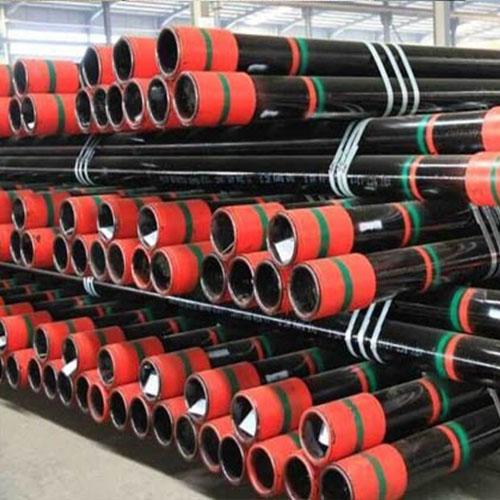
Supply and Demand Dynamics
The Oil casing market is significantly influenced by the dynamics of supply and demand, which are fundamental economic principles that dictate Price fluctuations. To understand how these factors contribute to changes in market prices, it is essential to consider various elements that affect both supply and demand in the oil casing industry. One of the primary drivers of demand for oil casing is the overall health of the Oil and gas sector. When oil prices rise, exploration and production activities tend to increase, leading to a higher demand for oil casing. Conversely, when oil prices fall, Companies may scale back their operations, resulting in decreased demand for casing products. This relationship highlights the sensitivity of the oil casing market to broader economic conditions and commodity prices.
In addition to the direct correlation with oil prices, the demand for oil casing is also influenced by technological advancements and regulatory changes. Innovations in drilling techniques, such as horizontal drilling and hydraulic fracturing, have transformed the oil and gas industry, leading to increased efficiency and production rates. As these technologies evolve, they often require specific types of casing, which can shift demand patterns. Furthermore, regulatory frameworks can impact the demand for oil casing by imposing stricter safety and environmental standards. Companies may need to invest in higher-quality casing materials to comply with these regulations, thereby affecting market demand.
https://youtube.com/watch?v=J1ao9j7SS_Y
On the supply side, the availability of raw materials plays a crucial role in determining the price of oil casing. The primary material used in oil casing production is steel, and fluctuations in steel prices can directly impact the cost of casing. When steel prices rise due to increased demand from other industries or supply chain disruptions, Manufacturers may pass these costs onto consumers, leading to higher casing prices. Additionally, the production capacity of casing manufacturers can influence supply levels. If manufacturers face operational challenges, such as labor shortages or equipment failures, their ability to meet demand may be compromised, resulting in supply constraints that can drive prices higher.
Moreover, geopolitical factors can significantly affect both supply and demand in the oil casing market. Political instability in oil-producing regions can disrupt production and transportation, leading to supply shortages. Such disruptions can create uncertainty in the market, prompting buyers to secure casing supplies in advance, which can further exacerbate price increases. Similarly, trade policies and tariffs can influence the cost of imported casing materials, affecting overall market prices. As countries impose tariffs on steel imports, for instance, domestic casing manufacturers may face higher production costs, which can lead to increased prices for end-users.
best Chinese Factories
In conclusion, the oil casing market is subject to a complex interplay of supply and demand dynamics that drive price changes. Factors such as oil prices, technological advancements, regulatory changes, raw material availability, and geopolitical events all contribute to the fluctuations observed in the market. Understanding these elements is essential for stakeholders in the oil and gas industry, as they navigate the challenges and opportunities presented by an ever-evolving landscape. By closely monitoring these factors, companies can make informed decisions that align with market trends, ultimately positioning themselves for success in a competitive environment.
Regulatory and Environmental Policies
The oil casing market is significantly influenced by a variety of regulatory and environmental policies that shape the operational landscape for oil and gas companies. These policies are designed to ensure safety, protect the environment, and promote sustainable practices within the industry. As such, they play a crucial role in determining the costs associated with oil casing, which in turn affects market prices. One of the primary factors is the regulatory framework established by government agencies, which often includes stringent requirements for the materials used in oil casing. These regulations can dictate the quality and specifications of the casing materials, leading to increased production costs for manufacturers. When compliance with these regulations becomes more expensive, the overall cost of oil casing rises, thereby influencing market prices.
Moreover, environmental policies aimed at reducing carbon emissions and promoting cleaner energy sources can also impact the oil casing market. For instance, initiatives that encourage the use of alternative energy sources may lead to a decrease in demand for oil and gas, subsequently affecting the need for oil casing. As companies adjust their operations in response to these policies, fluctuations in demand can create volatility in market prices. Additionally, the implementation of environmental regulations often requires companies to invest in new technologies and processes to minimize their ecological footprint. These investments can be substantial, and the costs incurred are frequently passed on to consumers, further contributing to price changes in the oil casing market.
Another important aspect to consider is the role of international agreements and treaties that aim to address climate change. These agreements can impose restrictions on oil production and exploration activities, which may lead to a decrease in the supply of oil casing. When supply diminishes while demand remains constant or increases, market prices are likely to rise. Furthermore, geopolitical factors can intertwine with regulatory and environmental policies, as countries may adopt different approaches to energy production based on their unique political and economic contexts. This divergence can create disparities in the oil casing market, as companies operating in regions with stricter regulations may face higher costs compared to those in less regulated environments.

In addition to these factors, public perception and activism surrounding environmental issues can also influence regulatory policies. As society becomes more aware of the environmental impacts of fossil fuel extraction, there is often increased pressure on governments to implement stricter regulations. This societal shift can lead to r APId changes in the regulatory landscape, which can catch companies off guard and result in sudden price fluctuations in the oil casing market. Companies must remain agile and responsive to these changes to mitigate potential financial impacts.
Ultimately, the interplay between regulatory and environmental policies creates a complex environment for the oil casing market. As regulations evolve and environmental concerns gain prominence, companies must navigate these challenges while striving to maintain profitability. The resulting dynamics can lead to significant price changes in the oil casing market, reflecting the broader trends and shifts within the energy sector. Understanding these assessable factors is essential for stakeholders looking to make informed decisions in an ever-changing landscape. By keeping abreast of regulatory developments and environmental initiatives, industry participants can better anticipate market movements and adapt their strategies accordingly.