Onshore Oil Wells: Key Areas of Application for oil casing
Where does the application of oil casing occur?
Oil casing plays a crucial role in the extraction of petroleum from onshore oil wells, serving as a foundational component that ensures the efficiency and safety of drilling operations. Understanding its application involves delving into several key aspects that highlight its significance in the Oil and gas industry.
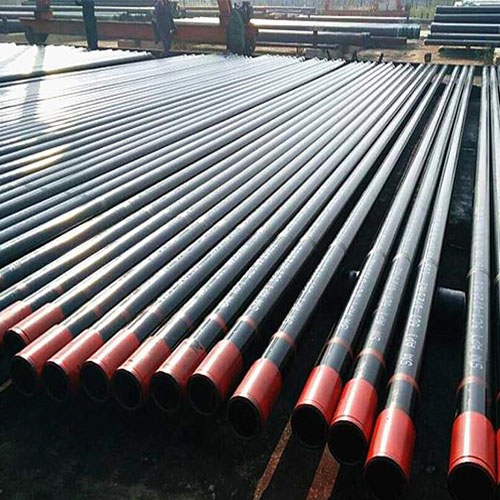
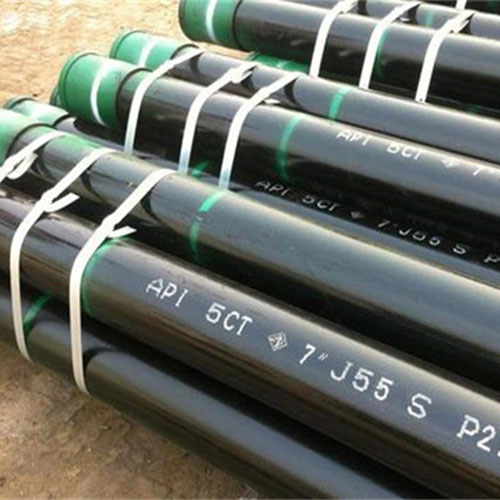
Primarily, oil casing is employed in onshore oil wells to facilitate drilling operations by providing structural integrity and preventing the collapse of the wellbore. Positioned inside the drilled hole, casing Pipes are typically made from steel and are installed sequentially during the drilling process. Each Casing string is designed to withstand the external pressures exerted by the surrounding geological formations and to isolate different zones within the well.
One of the primary functions of oil casing is to prevent the wellbore from collapsing under the immense pressure exerted by the earth\u2019s formations. As drilling progresses deeper into the earth, the geological formations exert increasing pressure on the walls of the wellbore. Casing pipes, with their robust construction and thickness, serve as a protective barrier, maintaining the integrity of the well and allowing drilling operations to continue safely and efficiently.
Additionally, oil casing helps to control the flow of formation fluids during and after the drilling process. By isolating different geological zones, casing prevents the mixing of fluids from various layers of the earth. This isolation is critical for maintaining well control and managing reservoir pressures effectively. Furthermore, casing pipes are instrumental in the installation of downhole equipment such as production Tubing and Packers, which are essential for extracting oil and gas from the reservoir.
In terms of practical application, the selection of casing sizes and grades is based on the specific geological conditions encountered during drilling. Factors such as depth, formation pressure, and the type of reservoir play a crucial role in determining the appropriate casing design. Engineers and drilling professionals meticulously analyze these factors to ensure that the casing provides adequate support and protection throughout the Life cycle of the well.
Moreover, the installation of casing involves meticulous planning and adherence to industry standards and regulations. Casing strings must be properly cemented into place to create a secure bond between the casing and the wellbore wall. Cementing not only enhances the structural integrity of the well but also prevents the migration of fluids between different geological formations, mitigating environmental risks and ensuring compliance with regulatory requirements.
In summary, the application of oil casing in onshore oil wells is indispensable for the safe and efficient extraction of petroleum resources. From preventing wellbore collapse to controlling fluid flow and facilitating downhole equipment installation, casing plays a multifaceted role in ensuring the success of drilling operations. Its strategic deployment, based on rigorous engineering analysis and adherence to standards, underscores its critical importance in the oil and gas industry.
As technology advances and drilling techniques evolve, the role of oil casing continues to evolve, adapting to increasingly complex geological challenges. Engineers and researchers continually innovate to enhance casing design and materials, striving for greater efficiency, durability, and environmental stewardship in oil exploration and production. In this dynamic landscape, oil casing remains a cornerstone of onshore drilling operations, supporting the industry\u2019s quest for sustainable energy solutions while maintaining the highest standards of safety and operational excellence.
Offshore Drilling Platforms: The Role of Oil Casing in Deepwater Operations
In the realm of offshore drilling platforms, the application of oil casing plays a pivotal role in ensuring the safety, efficiency, and longevity of operations, particularly in deepwater environments. Oil casing, a critical component of the well construction process, serves multiple essential functions that are indispensable to the success of drilling endeavors in such challenging settings.
Deepwater drilling operations, typically conducted in waters deeper than 500 feet, demand robust engineering solutions to overcome complex geological and technical challenges. Oil casing, a cylindrical steel pipe, is strategically installed inside the drilled well to provide structural integrity and to prevent the collapse of the wellbore. This foundational role not only supports the drill string during the drilling process but also protects the well from external pressures and prevents formation fluids from seeping into surrounding geological formations.
One of the primary functions of oil casing is to facilitate the efficient and safe extraction of hydrocarbons from deep beneath the seabed. As the drilling progresses deeper into the earth’s crust, the surrounding geological formations exert immense pressure on the wellbore. Oil casing, through its robust construction and design, serves as a reliable barrier against these pressures, safeguarding the well and maintaining operational stability.
Moreover, in offshore environments, where harsh marine conditions and corrosive seawater pose significant challenges, the choice of materials for oil casing becomes crucial. High-strength, corrosion-resistant alloys are often employed to ensure the durability and longevity of the casing under such demanding circumstances. This careful selection not only enhances the structural integrity of the well but also minimizes the risk of costly Repairs or environmental incidents.
In addition to its mechanical and protective functions, oil casing plays a vital role in the implementation of advanced drilling technologies and techniques. For instance, casing strings can be designed with specific features to accommodate instruments for real-time monitoring of downhole conditions, such as pressure, temperature, and geological formations. These capabilities enable operators to make informed decisions during drilling operations, optimizing performance and enhancing safety.
pipe thicknessFurthermore, oil casing facilitates the implementation of well completion and production processes. Once the drilling phase is completed, casing strings are crucial in supporting the installation of production tubing and other completion equipment. This integration is essential for establishing a conduit through which hydrocarbons can flow from the reservoir to the surface, where they can be processed and transported for further use.
In conclusion, the application of oil casing in offshore drilling platforms represents a cornerstone of modern oil and gas exploration and production efforts, particularly in deepwater operations. Beyond its foundational role in providing structural integrity and wellbore stability, oil casing supports the implementation of advanced technologies and enhances operational safety and efficiency. As the industry continues to evolve and explore increasingly challenging environments, the importance of robust and reliable oil casing solutions will only grow, ensuring sustainable and responsible extraction of energy resources from beneath the ocean floor.
Environmental and Safety Considerations in Oil Casing Applications
Where does the application of oil casing occur?
Oil casing, a critical component in the extraction and production of petroleum resources, plays a pivotal role in ensuring the efficiency, safety, and environmental sustainability of oil drilling operations. Understanding its application involves delving into both the technical requirements and the environmental and safety considerations that shape its deployment.
Oil casing is predominantly used in the drilling of oil wells, where it serves several crucial functions. Primarily, it provides structural integrity to the wellbore, preventing it from collapsing under the immense pressure exerted by the surrounding geological formations. This foundational role is essential not only for maintaining operational continuity but also for safeguarding the environment against potential leaks or spills that could result from well instability.
In terms of its technical application, oil casing is typically installed in stages as drilling progresses deeper into the earth. Each section of casing is carefully selected and installed based on the specific geological conditions encountered, ensuring a secure fit that can withstand the pressures and temperatures found at various depths. This meticulous approach not only enhances operational efficiency but also mitigates risks associated with well integrity failures.

From an environmental perspective, the application of oil casing is intricately linked to the protection of groundwater and surface ecosystems. Proper casing installation and Sealing techniques are critical in preventing the migration of fluids between different geological strata. This containment capability is vital for avoiding groundwater contamination and ensuring that hydrocarbons remain confined within the designated production zones.
Moreover, the materials used in oil casing must adhere to stringent environmental standards to minimize their ecological footprint. Advances in casing technology have led to the development of corrosion-resistant alloys and composite materials that enhance durability while reducing the potential for environmental degradation over the well’s lifespan.
Safety considerations are paramount throughout the entire lifecycle of oil casing applications. During installation, rigorous engineering controls and protocols are employed to safeguard workers and mitigate the risks associated with high-pressure drilling environments. Routine inspections and Maintenance further ensure that casing integrity remains uncompromised, thereby reducing the likelihood of accidents or environmental incidents.
In recent years, there has been a growing emphasis on sustainable practices within the oil and gas industry, prompting innovations in casing design and deployment. These advancements aim to enhance operational efficiency while minimizing the industry’s environmental footprint. For instance, technologies such as expandable casing systems and advanced cementing techniques have been introduced to improve well integrity and reduce material usage.
Additionally, regulatory frameworks play a crucial role in governing the application of oil casing and ensuring compliance with environmental and safety standards. Regulatory agencies oversee everything from casing design approvals to operational practices, fostering a culture of accountability and continuous improvement within the industry.
https://youtube.com/watch?v=OGeQJl_FZDAThe future of oil casing applications lies in the integration of cutting-edge technologies and sustainable practices. Innovations in materials science, robotics, and digitalization are poised to revolutionize how casing systems are designed, installed, and maintained. These advancements hold the promise of further enhancing environmental stewardship and operational efficiency, paving the way for a more sustainable energy future.
In conclusion, the application of oil casing occurs at the intersection of technical precision, environmental stewardship, and safety excellence. By adhering to rigorous standards and embracing innovation, the oil and gas industry continues to evolve its practices to meet the challenges of today and tomorrow. Through responsible stewardship of natural resources and a commitment to best practices, oil casing applications can contribute to sustainable development while ensuring the safe and efficient extraction of vital energy resources.