Benefits of Using PVC Pipe for well casing
When it comes to choosing the right type of pipe for well casing, PVC pipe is often the preferred choice for many reasons. PVC, or polyvinyl chloride, is a versatile and durable material that is commonly used in a variety of applications, including plumbing, irrigation, and well casing. In this article, we will explore the benefits of using PVC pipe for well casing and why it is the preferred choice for many well drilling projects.
One of the main advantages of using PVC pipe for well casing is its durability. PVC pipe is resistant to corrosion, rust, and chemical damage, making it an ideal choice for use in wells where exposure to harsh chemicals or corrosive materials is a concern. This durability ensures that the pipe will last for many years without the need for frequent Maintenance or replacement, saving time and money in the long run.
Another benefit of using PVC pipe for well casing is its ease of installation. PVC pipe is lightWeight and easy to handle, making it simple to transport and install on-site. This ease of installation can help to reduce labor costs and minimize the time required to complete the well drilling project, making PVC pipe a cost-effective choice for many well drilling applications.
In addition to its durability and ease of installation, PVC pipe is also resistant to biological growth, such as algae and bacteria. This resistance helps to maintain the quality of the water in the well and reduces the risk of contamination, ensuring that the water remains safe for consumption. PVC pipe is also non-toxic and does not leach harmful chemicals into the water, making it a safe and environmentally friendly choice for well casing.
Furthermore, PVC pipe is highly flexible and can be easily cut and shaped to fit the specific requirements of the well drilling project. This flexibility allows for customization and adaptation to different well depths and configurations, making PVC pipe a versatile choice for a wide range of well drilling applications. Additionally, PVC pipe is available in a variety of sizes and thicknesses, allowing for customization to meet the specific needs of the well drilling project.
Overall, PVC pipe offers a number of benefits for well casing, including durability, ease of installation, resistance to biological growth, and flexibility. These advantages make PVC pipe a popular choice for many well drilling projects, providing a reliable and cost-effective solution for protecting and maintaining wells. Whether you are drilling a new well or replacing an existing casing, PVC pipe is a versatile and durable option that can help to ensure the long-term success and sustainability of your well.
Comparing steel and PVC pipes for Well Casing
When it comes to choosing the right type of pipe for well casing, there are two main options to consider: steel and PVC. Both materials have their own set of advantages and disadvantages, so it’s important to weigh the pros and cons of each before making a decision.
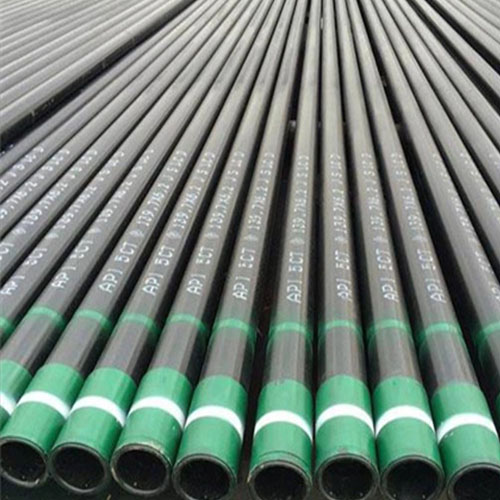
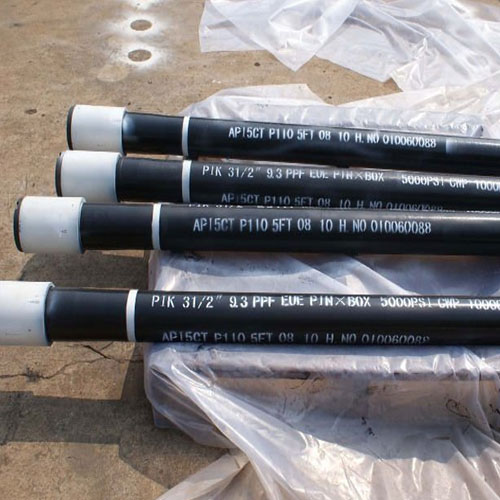
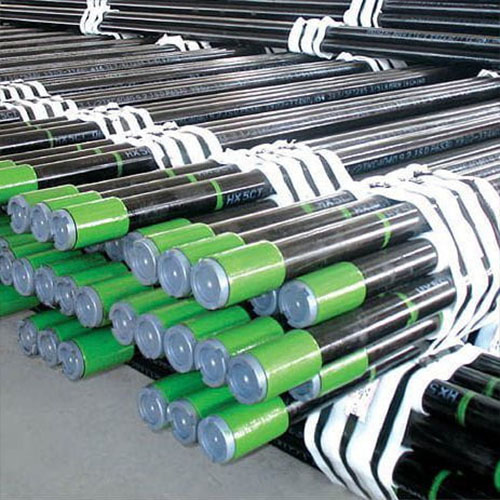
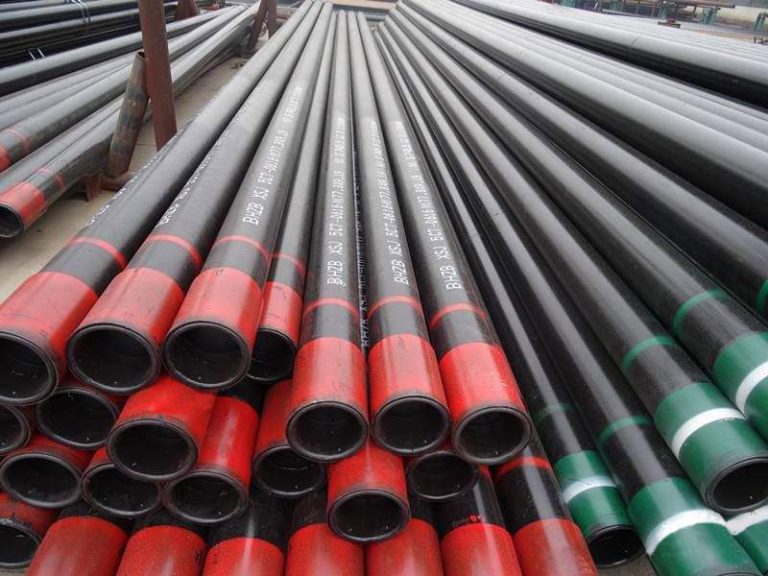
https://youtube.com/watch?v=pE2PEEU66NMSteel pipes have long been a popular choice for well casing due to their durability and strength. Steel pipes are able to withstand high pressure and are resistant to corrosion, making them a reliable option for long-term use. Additionally, steel pipes are able to handle extreme temperatures, making them suitable for a variety of environments.

On the other hand, PVC pipes are a more cost-effective option for well casing. PVC pipes are lightweight and easy to install, making them a popular choice for DIY projects. PVC pipes are also resistant to corrosion and chemical damage, making them a low-maintenance option for well casing.
One of the main differences between steel and PVC pipes is their flexibility. Steel pipes are rigid and inflexible, making them more difficult to install in tight spaces or uneven terrain. PVC pipes, on the other hand, are flexible and can be easily bent and maneuvered to fit the contours of the well casing.
Another factor to consider when choosing between steel and PVC pipes is their longevity. Steel pipes have a longer lifespan than PVC pipes, making them a more durable option for well casing. However, PVC pipes can still last for many years if properly maintained and cared for.
In terms of cost, PVC pipes are generally more affordable than steel pipes. This makes PVC pipes a popular choice for budget-conscious consumers who are looking for a cost-effective solution for well casing. However, it’s important to consider the long-term costs of maintenance and replacement when choosing between steel and PVC pipes.
When it comes to environmental impact, PVC pipes are considered to be more eco-friendly than steel pipes. PVC pipes are recyclable and can be repurposed for other projects, making them a sustainable option for well casing. Steel pipes, on the other hand, are not as easily recyclable and can have a larger carbon footprint.
steel pipe od chart
In conclusion, both steel and PVC pipes have their own set of advantages and disadvantages when it comes to well casing. Steel pipes are durable and long-lasting, but can be more expensive and difficult to install. PVC pipes are cost-effective and easy to install, but may not have the same longevity as steel pipes. Ultimately, the choice between steel and PVC pipes will depend on your specific needs and budget.
Tips for Proper Installation of well casing pipes
When it comes to installing a well, one of the most important components to consider is the well casing. Well casing pipes are essential for protecting the well from contamination and ensuring the structural integrity of the well. There are several types of pipes that can be used for well casing, each with its own advantages and disadvantages. In this article, we will focus on which kind of pipe is best suited for well casing and provide some tips for proper installation.
One of the most common types of pipes used for well casing is PVC (polyvinyl chloride) pipe. PVC pipe is lightweight, easy to install, and relatively inexpensive. It is also resistant to corrosion and chemical damage, making it a popular choice for well casing. However, PVC pipe is not as strong as other types of pipes, such as steel or fiberglass, so it may not be suitable for deep wells or wells in areas with high water pressure.
Steel pipe is another popular choice for well casing. Steel pipe is extremely strong and durable, making it ideal for deep wells or wells in areas with high water pressure. However, steel pipe is more expensive than PVC pipe and can be difficult to install. It is also prone to corrosion, so it may not be the best choice for wells in areas with acidic or corrosive water.
Fiberglass pipe is a third option for well casing. Fiberglass pipe is lightweight, strong, and resistant to corrosion, making it a good choice for well casing. It is also relatively easy to install and has a long lifespan. However, fiberglass pipe is more expensive than PVC pipe and may not be as readily available as steel pipe.
When choosing a pipe for well casing, it is important to consider the specific needs of your well. Factors such as well depth, water pressure, and water quality should all be taken into account when selecting a pipe. Consulting with a professional well driller or contractor can help you determine the best type of pipe for your well casing needs.
Once you have selected the appropriate pipe for your well casing, proper installation is crucial to ensure the long-term success of your well. Here are some tips for proper installation of well casing pipes:
1. Ensure that the well casing is properly sized for the well. The casing should be large enough to allow for the installation of the pump and other necessary equipment, but not so large that it restricts the flow of water.
2. Clean the inside of the casing before installation to remove any debris or obstructions that could impede the flow of water.
3. Use a high-quality Sealant to secure the joints of the casing pipes and prevent leaks.
4. Install the casing pipes vertically and ensure that they are properly aligned to prevent bending or kinking.
5. Backfill around the casing pipes with gravel or sand to provide support and prevent collapse.
By following these tips for proper installation, you can ensure that your well casing pipes are installed correctly and will provide reliable protection for your well. Whether you choose PVC, steel, or fiberglass pipe for your well casing, proper installation is key to the success of your well system. Consult with a professional well driller or contractor to ensure that your well casing is installed correctly and meets the specific needs of your well.