Understanding common Causes of Conflict in Relationships
In the intricate tapestry of human relationships, conflicts inevitably arise, often triggered by a multitude of underlying causes. These conflicts can strain even the strongest bonds, demanding careful navigation and understanding from all parties involved. One of the most fundamental causes of discord stems from differing expectations. When individuals hold divergent views on important matters such as communication, commitment, or personal boundaries, misunderstandings can swiftly escalate into disputes. Clear and open dialogue serves as a vital tool in preempting such conflicts, allowing each party to articulate their perspectives and find common ground.
Moreover, conflicts often arise from unresolved issues or past experiences that resurface within the relationship. Emotional baggage, whether stemming from previous relationships or childhood, can influence behavior and responses in the present. Recognizing these triggers and addressing them with empathy and patience is essential for fostering a supportive and nurturing environment.
Another frequent source of conflict lies in the realm of power dynamics. When one partner feels their opinions or needs consistently overlooked or undervalued, resentment can build. Establishing equitable power dynamics involves mutual respect and recognition of each individual’s contributions and perspectives. This balanced approach cultivates a sense of partnership and collaboration, reducing the likelihood of power struggles.
Furthermore, differing communication styles can significantly impact relationship dynamics. Some individuals may prefer direct, explicit communication, while others may favor subtlety or non-verbal cues. Misalignment in communication styles can lead to misunderstandings and frustration. By cultivating active listening skills and adapting communication strategies to accommodate each other’s preferences, couples can enhance understanding and reduce conflict.
Additionally, external stressors such as financial pressures, career demands, or family obligations can strain relationships. When individuals face significant stressors individually, their capacity to engage positively in the relationship may diminish. Acknowledging external stressors and finding constructive ways to support each other through challenging times can strengthen resilience and foster mutual support.
Trust and honesty form the bedrock of healthy relationships. When trust is compromised through deceit, betrayal, or lack of transparency, conflict often ensues. Building and maintaining trust requires consistent integrity, reliability, and accountability in actions and words. Transparency in communication and decision-making promotes a sense of security and minimizes opportunities for misunderstandings or conflicts to arise.
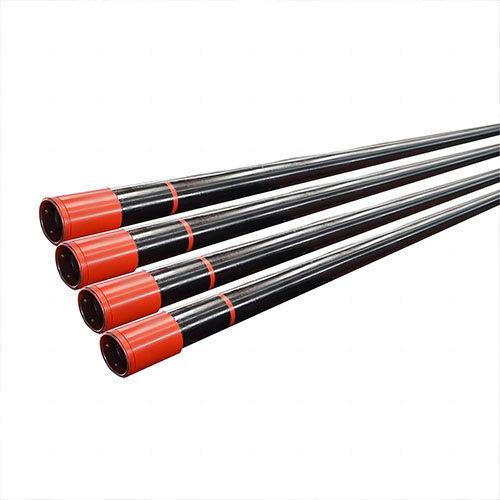
Tubing best china MakersFurthermore, unresolved conflicts can fester and intensify over time if not addressed promptly and constructively. Avoiding or dismissing conflicts may temporarily alleviate discomfort but can erode trust and intimacy in the long term. Embracing conflict as an opportunity for growth and understanding allows couples to navigate challenges collaboratively, reinforcing their bond and fostering resilience.
Ultimately, cultivating a healthy relationship requires dedication, self-awareness, and a willingness to confront challenges head-on. By understanding the common causes of conflict and actively implementing strategies to address them, couples can nurture a supportive and harmonious partnership. Each conflict, when approached with empathy and respect, offers an opportunity to deepen mutual understanding and fortify the foundation of the relationship. Through ongoing communication, mutual respect, and a commitment to growth, couples can navigate conflicts successfully, strengthening their connection and building a resilient future together.
Strategies for Resolving Workplace Conflicts
In the realm of workplace dynamics, conflicts often emerge as formidable challenges that can disrupt productivity and strain interpersonal relationships. Addressing these conflicts requires not only adept communication but also strategic approaches that can effectively defuse tensions and promote a harmonious work environment. One such strategy that has garnered attention in recent times is the introduction of high-strength Oil casing, a technological advancement poised to revolutionize the Oil and gas industry.

Traditionally, conflicts in the workplace arise due to a variety of factors, including differences in opinion, communication breakdowns, power struggles, and competing interests. These conflicts, if left unresolved, can escalate and lead to decreased morale, decreased productivity, and increased turnover. Thus, organizations are constantly seeking innovative solutions to mitigate these challenges and foster a more collaborative atmosphere among their employees.
The introduction of high-strength oil casing represents a significant breakthrough in engineering and material science. Designed to withstand extreme pressures and harsh environments, this new technology promises enhanced reliability and durability in oil drilling operations. Similarly, in the context of workplace conflicts, adopting innovative strategies can yield transformative results.
One key strategy is proactive conflict resolution. By addressing potential conflicts before they escalate, organizations can prevent disruptions and maintain a conducive work environment. This approach involves fostering open communication channels, promoting transparency, and encouraging employees to voice their concerns early on. Additionally, providing training in conflict management and interpersonal skills equips employees with the tools needed to navigate disagreements constructively.
Furthermore, the implementation of mediation and arbitration processes can offer structured frameworks for resolving conflicts impartially. These methods allow conflicting parties to express their grievances in a controlled setting and work towards mutually acceptable solutions under the guidance of trained facilitators. By promoting fairness and inclusivity, mediation and arbitration not only resolve immediate disputes but also contribute to long-term organizational cohesion.
Another effective strategy is the establishment of clear policies and procedures governing workplace conduct. By outlining expectations for behavior and conflict resolution protocols, organizations create a framework that promotes accountability and consistency. Employees are empowered with guidelines to navigate disputes while upholding organizational values and standards.
Moreover, promoting a culture of respect and diversity fosters mutual understanding and reduces the likelihood of conflicts arising from misunderstandings or cultural differences. Embracing diversity not only enriches organizational perspectives but also strengthens resilience in the face of challenges.
In conclusion, while workplace conflicts remain inevitable, proactive strategies and innovative approaches such as high-strength oil casing can significantly mitigate their impact. By investing in effective communication, conflict resolution mechanisms, and a supportive organizational culture, Companies can shatter the usual challenges and pave the way for sustained success and growth. As industries evolve and technologies advance, so too must our approaches to managing conflicts, ensuring that workplaces remain productive, harmonious, and resilient in the face of change.
https://youtube.com/watch?v=y2Ua7ieGD5A